Beyond the Serengeti: Tanzania's Most Underrated Safari Parks
Tanzania's lesser-known parks offer wilder, more intimate game viewing than the famous Serengeti ever could.
The Serengeti is extraordinary. Nobody is going to argue with that. But Tanzania is a massive country with a staggering amount of protected wilderness, and if you only ever go to the Serengeti and Ngorongoro, you are missing some genuinely spectacular experiences that come with far fewer vehicles at any given sighting.
I have been to Tanzania a number of times now, and some of my most memorable wildlife encounters happened not in the famous northern circuit but in parks that most first-time visitors never even consider. Here is a breakdown of the ones I think deserve a lot more attention.
Ruaha National Park: Wild and Remote
Ruaha is Tanzania's largest national park and, in my opinion, one of the most under appreciated safari destinations on the entire continent. It sits in the southern highlands and covers over 20,000 square kilometres of mixed terrain: open plains, miombo woodland, rocky escarpments and the Great Ruaha River, which is the lifeblood of the park.
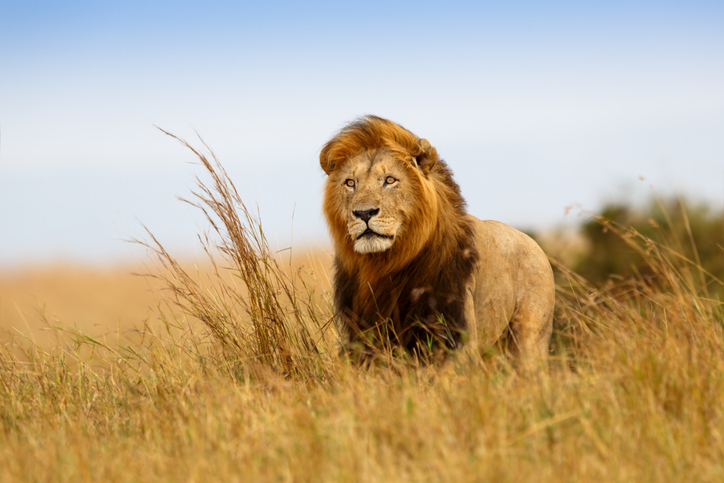
The wildlife density here is extraordinary. Ruaha has one of the highest lion densities in Africa, and the prides here are big and relaxed around vehicles. Elephant numbers are significant, wild dog sightings happen regularly, and the birdlife is exceptional for anyone with even a passing interest in birds.
What really sets Ruaha apart is the remoteness. There are only a handful of lodges in and around the park, so vehicle numbers at any sighting stay low. It is not unusual to have a lion kill entirely to yourself for an hour. That simply does not happen in the Serengeti during peak season.
The dry season from June through October is the best time to visit. The Ruaha River shrinks and animals concentrate along its banks, which makes for some of the most dramatic game viewing you will find anywhere in East Africa.
Nyerere National Park: Africa's Largest Protected Area
Formerly known as the Selous Game Reserve, Nyerere National Park is the largest game reserve in Africa by area. It is remote, it is wild, and it is the kind of place where you can genuinely feel like you are exploring rather than following a route you have seen in a hundred photographs.
The Rufiji River is the centrepiece of the experience here. Boat safaris along the Rufiji are something you genuinely cannot replicate in any other Tanzanian park. You drift past pods of hippos, crocodiles lazing on sandbanks, and buffalo drinking at the water's edge. It has a completely different feel from a standard game drive, and for many people it becomes the highlight of their entire safari trip.
Nyerere also has a healthy wild dog population, which is one of the most sought-after sightings in Africa. The reserve has historically been one of the best places on the continent to find them.
The southern circuit parks like Nyerere are best visited between July and November during the dry season. The reserve is partially closed during the long rains.
Tarangire National Park: The Elephant Park
If you are visiting Tanzania's northern circuit and want to add something that punches above its weight, Tarangire National Park is the answer. It sits about 120 kilometres from Arusha and most people pass through it as a half-day detour on the way to the Serengeti. That is a mistake.
Tarangire has one of the highest elephant concentrations in Tanzania. During the dry season from July to October, elephants gather here in their hundreds along the Tarangire River, which is one of the most impressive wildlife spectacles I have witnessed. You will see herds of 50, 80, sometimes over 100 elephants moving together. The sheer scale of it is something you have to see.
The park also has a high density of leopard, lion, and some of the best baobab scenery in East Africa. The combination of the dry season river, the ancient baobabs and the elephant herds makes Tarangire uniquely photogenic.
Because it sits within driving distance of Arusha and is often treated as a stopover rather than a destination, lodges here tend to be excellent value compared to Serengeti properties. That is worth factoring in if you are watching your budget.
Arusha National Park: Tanzania's Most Overlooked Gem
Often dismissed as little more than a park to visit on your arrival or departure day, Arusha National Park deserves far more attention than it gets. While it lacks large predators, it offers some of the most varied scenery in northern Tanzania within a relatively small area.
The park stretches from the lush forests on the slopes of Mount Meru to the open grasslands around Ngurdoto Crater and the shallow Momella Lakes, where thousands of flamingos can gather when conditions are right. Giraffes are everywhere, often walking against the dramatic backdrop of Mount Meru or, on clear mornings, even Mount Kilimanjaro in the distance.
For photographers, this is one of Tanzania's most rewarding parks. The abundance of giraffes makes it an ideal place for minimalist compositions, while the forests are home to black and white colobus monkeys, blue monkeys and a rich variety of birds. It is also one of the few places in Tanzania where walking safaris are a regular part of the experience, allowing you to appreciate the landscape from ground level rather than always viewing it from a vehicle.
Because most visitors spend only a few hours here before heading towards the Serengeti, the park rarely feels crowded. Spend a full day, or even better, stay nearby for two nights, and you will discover a side of Tanzania that many safari travellers completely overlook.
Why the Lesser-Known Parks Matter
There is a practical reason to consider these parks beyond just getting away from the crowds. The lodge and camp industry in parks like Ruaha and Nyerere is built around exclusivity. Properties tend to be small, staff-to-guest ratios are high, and the camps have to work harder to justify the remoteness. That usually translates into exceptional guiding, better food, and a more personalised experience.
There is also an environmental argument. Tourism revenue is one of the main mechanisms for protecting these wild spaces, and directing some of that revenue to lesser-visited parks helps conservation efforts in areas that do not always get the same attention as the Serengeti.
Tanzania's northern circuit is iconic for good reason. But if you have already done it once, or if you want something genuinely different on your first trip, the southern parks and Tarangire offer experiences that will stay with you just as long.