A Guide to Tarangire National Park
Often overlooked for its famous neighbours, Tarangire is a park that quietly over-delivers, especially if you love elephants and baobabs.
Quick facts
- Size: 2,850 km² (1,100 sq mi)
- Established: 1970
- Best Time to Visit: June – October
- Known For: Huge Elephant Herds
- Key Feature: Baobab Trees
- Bird Species: Over 550
- Nearest Airport: Arusha (ARK)
- Main Activity: Game Drives
Tarangire National Park: A Complete Guide
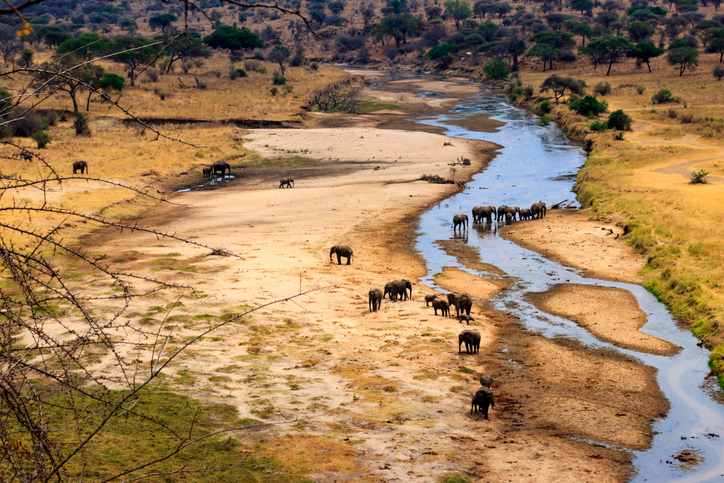
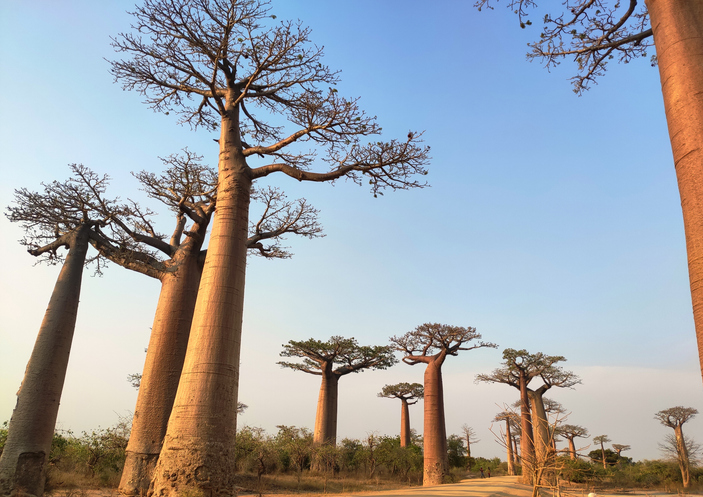
Picture this: a landscape of ancient baobab trees, their giant, otherworldly branches reaching for the sky. The air is warm and dusty, smelling of wild sage. And through the haze, a family of elephants, hundreds strong, moves silently towards a winding river. This isn't a scene from a wildlife documentary. This is a typical afternoon in Tarangire National Park.
While many safari-goers have their sights set on the Serengeti or Ngorongoro Crater, I always tell people not to underestimate Tarangire. It’s the dark horse of Tanzania's northern safari circuit- a park that offers some of the best wildlife viewing on the continent, especially during the dry season. It has a wild, uncrowded, and deeply authentic feel that can be harder to find in its more famous neighbors.
What Makes Tarangire National Park Special?
Located in Tanzania's Manyara Region, just a couple of hours' drive south of Arusha, Tarangire is the sixth-largest national park in the country. It’s a key part of a much larger ecosystem that includes Lake Manyara National Park and the lands in between. What really defines Tarangire, however, is its role as a massive dry-season refuge.
From about June to October, when the surrounding Maasai Steppe dries up, the permanent waters of the Tarangire River become a lifeline. This triggers a mini-migration, drawing incredible concentrations of wildlife into the park. While the Serengeti has the Great Migration, Tarangire boasts an incredible seasonal density, a gathering of giants that is truly something to behold.
The Wildlife of Tarangire: Home of the Elephants
When you think of Tarangire, think elephants. The park is home to one of the largest elephant populations in Tanzania, and you don’t just see one or two. You see vast herds. I’ve spent afternoons just watching hundreds of them interacting along the riverbanks- mothers, babies, and huge old bull elephants moving through the woodlands. It’s an experience that stays with you.
Key Wildlife to Look For:
Large Elephant Herds: The park's main attraction. They are everywhere, especially near the river in the dry season.
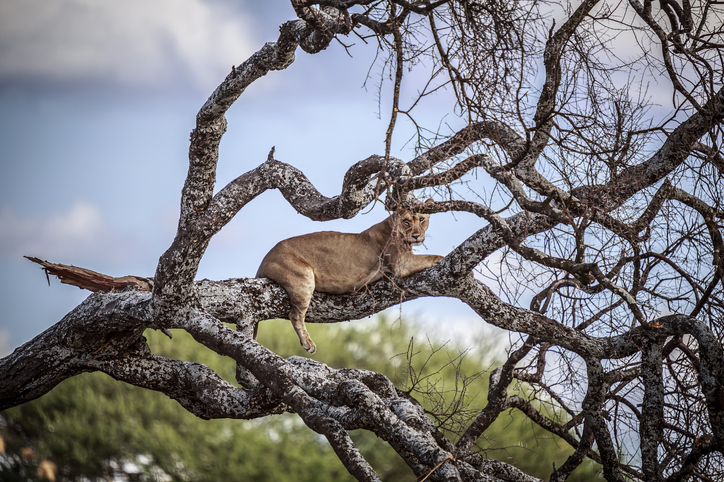
Predators: Tarangire is excellent for lion sightings. The park's lions are known for their occasional tree-climbing habits, though it’s less common than in nearby Lake Manyara. Leopards are present but elusive, as always, while cheetahs can sometimes be seen on the park's southern plains.
Unique Species: It's one of the best places to see fringe-eared oryx, long-necked gerenuk, and the sturdy kudu, species you won’t find in much of the Serengeti.
Birdlife: With over 550 bird species, Tarangire is a birdwatcher's paradise. From large kori bustards to colorful yellow-collared lovebirds, the variety is astounding, especially in the green season.
The Unforgettable Landscape: Baobabs and Red Dust
The scenery in Tarangire is as much a part of the experience as the animals. The park is dotted with massive baobab trees, some of which are thousands of years old. They give the landscape a primeval, almost mythical quality. These ‘upside-down trees’ stand like ancient sentinels over the golden savannah and riverine woodlands.
The Tarangire River is the heart of it all. It snakes through the park, its banks lined with acacia trees and palms. In the dry season, the riverbed can become a series of pools, forcing wildlife to congregate and creating dramatic scenes of survival and interaction. The red-earth tracks kick up a fine dust that catches the late afternoon light, turning everything a warm, golden hue. It’s paradise for photographers.
Best Time to Visit Tarangire
The best time for your Tarangire safari really depends on what you want to experience.
Dry Season (June to October): This is peak season for wildlife viewing. The bush is thin, making animals easier to spot, and they are all drawn to the Tarangire River. Expect large herds of elephants, buffalo, zebra, and wildebeest, and the predators that follow them. The weather is sunny and dry, but it can get dusty.
Wet Season (November to May): Often called the 'green season', this is when the park transforms. The landscape becomes lush and green, the dust settles, and it's a fantastic time for birdwatching. Many animals disperse, so you may have to work a bit harder to find them, but you’ll be rewarded with fewer vehicles and adorable baby animals. It's a beautiful, peaceful time to visit.
The Safari Experience in Tarangire
A game drive in Tarangire feels like a proper adventure. You're often on quiet tracks, exploring the loops and bends of the river, never quite sure what’s around the next corner. Compared to the main roads in the Serengeti or the crater floor in Ngorongoro, Tarangire feels refreshingly off-the-beaten-path.
Most safaris here are classic game drives in a 4x4 vehicle. However, some lodges, particularly those in the wildlife management areas bordering the park, offer wonderful walking safaris with local guides and thrilling night drives- an opportunity to see nocturnal creatures like civets, bush babies, and maybe even a hunting leopard.
Where to Stay: Lodges & Camps
You have two main strategies for accommodation in Tarangire: staying inside the national park or staying just outside in the surrounding wildlife corridors.
Inside the Park: This offers the most immersive experience. You can be out for game drives at sunrise, long before anyone from outside has arrived. The lodges here range from luxury tented camps to more established properties with pools, often with incredible views over the river valley.
Outside the Park: There are many excellent lodges and camps located in the wildlife management areas that border Tarangire. This is often a great value option and allows for activities not permitted inside the park itself, like walking safaris and night drives.
Getting to Tarangire National Park
Getting to Tarangire is straightforward. The main entry gate is a scenic 2-3 hour drive from Arusha, the main hub for safaris in northern Tanzania. The road is paved for most of the journey. Most safari itineraries include Tarangire as the first or last stop on a northern circuit trip.
For those short on time or on a luxury itinerary, you can also fly. Scheduled charter flights connect Arusha and the Serengeti directly to Tarangire’s Kuro Airstrip.
Costs & Park Fees
Like all Tanzanian parks, Tarangire has daily conservation fees set by TANAPA (Tanzania National Parks Authority). These fees are usually included in your overall safari package price. As a rough guide, a safari here tends to be slightly more affordable than one focused solely on the Serengeti or Ngorongoro, making it a fantastic value destination.
Travel Tips for Tarangire
Pack Layers: Early mornings can be chilly, but midday gets hot. A fleece or light jacket is essential.
Embrace the Dust: In the dry season, things get dusty. Bring a scarf or buff to cover your face and a protective bag for your camera equipment.
Combine It: Tarangire combines perfectly with Ngorongoro Conservation Area and the Serengeti National Park. A 2-day stay in Tarangire is a perfect start to a week-long safari.
Tarangire vs. Serengeti vs. Ngorongoro
This is a common question, and the answer is that they all offer something different. It isn’t about which is better, but how they complement each other.
Tarangire: Best for elephants, baobabs, and a less crowded dry-season experience. It feels wild and expansive.
Ngorongoro Crater: Unmatched for sheer wildlife density. A geological marvel where seeing the Big Five in a single day is very possible, but it's a small area and can be busy.
Serengeti: Famous for its endless plains, the Great Migration, and classic big cat action. It’s the iconic safari destination for a reason.
My advice? Don't choose. If you have the time, build an itinerary that includes all three for a truly comprehensive Tanzanian safari.
A Suggested 2-Day Itinerary
Day 1: Drive from Arusha in the morning, arriving at the park gate around lunchtime. Enjoy an afternoon game drive along the Tarangire River, watching elephants come down to drink as the sun gets low.
Day 2: A full day exploring the park. Head further south to the Silale Swamp for a different landscape and excellent birding, or stick to the river valley where the wildlife congregates. Enjoy a picnic lunch under a baobab before a final game drive on your way out of the park.
Frequently Asked Questions about Tarangire
Is Tarangire National Park worth visiting?
Absolutely, yes. For elephant lovers, it is an essential stop. It offers top-tier wildlife viewing, especially from July to October, with scenery and a sense of wildness that is unique in Tanzania. It's a fantastic and often underrated park.
How many days do you need in Tarangire?
Two days and one night is ideal to get a proper feel for the park and explore beyond the main river area. If you're short on time, a full day trip from the Karatu or Arusha area is still very worthwhile, particularly in the dry season.
What animals can you see in Tarangire?
You can see huge herds of elephants, zebra, wildebeest, buffalo, giraffe, and waterbuck. Lions are commonly seen, and leopards, cheetahs, and wild dogs are also present. It's also a great place for seeing less common antelope like the oryx and gerenuk.
Is Tarangire crowded?
Compared to the Ngorongoro Crater and central Serengeti, Tarangire is much less crowded, even in peak season. You can often have incredible sightings all to yourself, especially if you venture into the park's southern reaches.