A Complete Guide to Ngorongoro Conservation Area
Discover the magic of the Ngorongoro Crater, a UNESCO World Heritage site teeming with wildlife. Our guide covers everything you need to know for your safari.
Quick facts
- Conservation Area: 8,292 km²
- Crater Floor Size: 260 km²
- Crater Rim Altitude: 2,286 m (7,500 ft)
- Status: UNESCO World Heritage
- Best time to visit: June - October
- Main Attraction: The Big Five
- Nearest Airport: Kilimanjaro (KIA)
- Drive from Arusha: Approx. 3-4 hours
Your Guide to the Ngorongoro Conservation Area
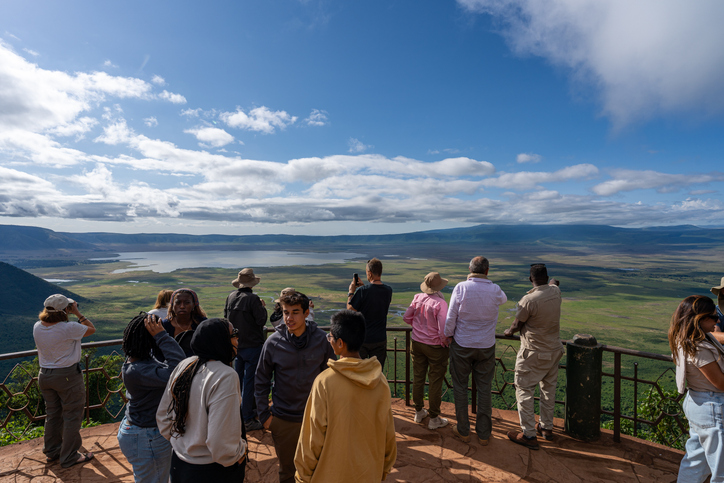
There’s a moment on every Ngorongoro Crater safari that stays with you forever. It’s when you first arrive at the crater rim, the cool highland air on your face, and look down. Spread out below you, some 600 meters (2,000 feet) deep, is a world of its own. It looks like a perfect LOST WORLD- a self-contained Eden teeming with life. That first glimpse, seeing tiny dots that you know are herds of buffalo and elephants, is simply breathtaking. The journey down into this natural amphitheater feels like a descent into one of the greatest wildlife shows on Earth.
Ngorongoro isn’t just another national park. It's a unique conservation area, a UNESCO World Heritage site, and one of the most remarkable safari destinations you could ever hope to visit. It’s a place of immense beauty, incredible wildlife density, and deep cultural significance- and it's an essential stop on any classic northern Tanzania safari itinerary.
What is the Ngorongoro Conservation Area?
First, it's helpful to understand what makes this area different. Unlike a national park like the Serengeti, the Ngorongoro Conservation Area (NCA) is a pioneering experiment in multi-purpose land use. Here, wildlife, local communities, and tourism coexist. The semi-nomadic Maasai people have grazing rights and you’ll often see their herds of cattle near herds of zebra, a sight that’s unique to this part of Tanzania.
The conservation area is vast, covering over 8,200 square kilometers, but its crown jewel is, without a doubt, the crater itself. The entire area was established to protect not just the incredible biodiversity but also the archaeological and cultural heritage, including the nearby Olduvai Gorge, often called the “Cradle of Mankind.”
The Ngorongoro Crater Explained
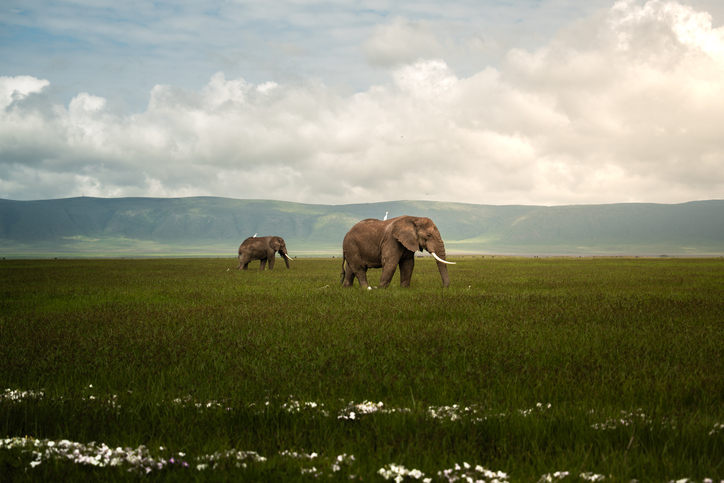
The Ngorongoro Crater is the world's largest intact and unfilled volcanic caldera. It was formed around two to three million years ago when a massive volcano, once likely as tall as Kilimanjaro, erupted and then collapsed in on itself. What remains is a perfectly-formed natural bowl, about 19 kilometers (12 miles) wide and covering 260 square kilometers (100 square miles).
This unique geology has created a self-contained ecosystem. The crater floor has a bit of everything- open grasslands, acacia woodlands, a freshwater marsh, and a soda lake, Lake Magadi, which attracts flocks of pink flamingos. This variety of habitats in such a compact area is the secret to its legendary wildlife density. You don’t have to drive for hours to find animals here- they are everywhere.
Wildlife in the Ngorongoro Crater
For many safari-goers, Ngorongoro is all about the wildlife, and it rarely disappoints. It hosts one of the highest concentrations of animals in Africa, with an estimated 25,000 large mammals living within the crater walls.
Spotting the Big Five
The crater is one of the most reliable places in Tanzania for a Big Five safari. Here’s what you can expect:
Lions: The crater's lion population is strong and they are frequently seen lounging on the grasslands, often completely unfazed by safari vehicles.
Elephants: You’ll see plenty of elephants, particularly old bull elephants with massive tusks. They are drawn to the swamps and forests on the crater floor.
Buffalo: Huge herds of Cape buffalo are a common sight, grazing on the open plains.
Leopard: These cats are famously shy and the most difficult of the Big Five to spot. Your best chance is to scan the branches of the yellow-barked acacia trees in the Lerai Forest.
Black Rhino: This is the crater’s biggest draw. It is one of the few remaining places in Tanzania where you have a genuine chance of seeing the critically endangered black rhino. Spotting one is a true highlight of any safari.
Beyond the Big Names
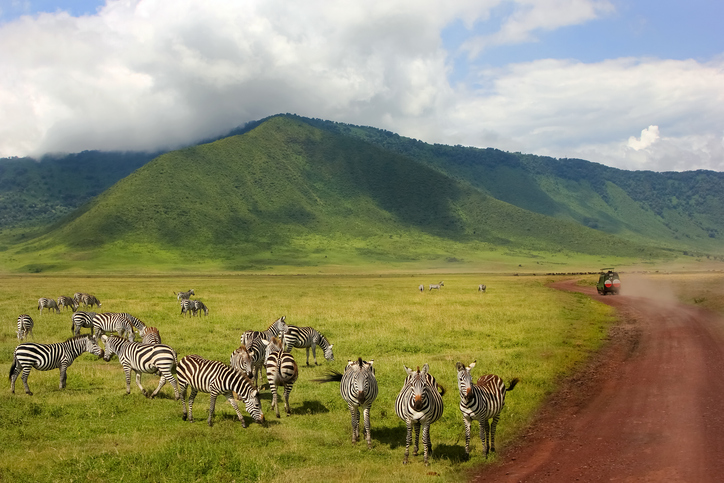
The experience goes far beyond the big five. You'll find vast herds of wildebeest and zebra (a resident population that doesn't join the Great Migration), hyenas, jackals, and pods of hippos in the pools. One animal you won’t see is the giraffe- the crater walls are too steep for them to navigate.
The Best Time to Visit Ngorongoro
The great news is that the crater offers fantastic game viewing year-round. The resident wildlife doesn't migrate, so there’s never a bad time to go. However, the seasons do offer different experiences.
Dry Season (June to October): This is generally considered the best time to visit. The weather is dry and sunny, and the vegetation is less dense, which makes spotting wildlife easier. Animals tend to congregate around the remaining water sources. The trade-off is that this is peak season, so you can expect more crowds and higher prices.
Wet Season (November to May): Don't discount the “green season.” The landscape is beautifully lush and there are far fewer visitors. This is the calving season, so you'll see lots of baby animals. Birdwatching is phenomenal. The 'long rains' from March to May can bring heavy downpours, but the 'short rains' in November and December are often just brief afternoon showers
Your Ngorongoro Crater Safari Experience
A game drive in Ngorongoro is a concentrated, action-packed affair. Safari vehicles are only allowed on the crater floor for a maximum of six hours to minimize environmental impact and prevent overcrowding.
The day starts with a slow, careful drive down one of the steep access roads. As you descend, the views are just incredible. Once on the floor, you're immediately in the thick of it. The dense network of tracks allows your guide to get you close to the action. Because it’s a relatively small area, you’ll likely see more variety of wildlife in your six hours here than anywhere else.
Be prepared to share your sightings. The crater is a popular spot, so you will see other safari vehicles. My advice is always to start as early as possible to get a head start before the main rush arrives mid-morning.
Where to Stay: Ngorongoro Lodges and Camps
Your choice of lodging significantly shapes your experience. The two main options are staying on the crater rim or in the nearby highlands around the town of Karatu.
Crater Rim Lodges: These are the premium, luxury options. Waking up and having your morning coffee while looking down into the crater is an unforgettable experience. The location gives you the quickest access for an early morning game drive, but this prime real estate comes with a higher price tag.
Lodges outside the Gate: Located in the lush farming area of Karatu, these lodges and camps offer fantastic value and a more relaxed, country atmosphere. Many are set on beautiful coffee plantations. The only downside is the extra 30-45 minute drive to the crater gate in the morning.
How to Get to Ngorongoro
Most international travelers fly into Kilimanjaro International Airport (KIA). From there, the safari hub town of Arusha is about an hour's drive away.
Ngorongoro is almost always visited as part of a larger northern circuit safari. The drive from Arusha to the Ngorongoro entrance gate takes about 3-4 hours on well-paved roads. A typical itinerary might start in Tarangire National Park, move on to Ngorongoro, and finish in the vast plains of the Serengeti.
Understanding the Costs and Fees
When planning your trip, it’s good to know how the park fees work. These are typically included in your safari package, but they are significant.
NCA Conservation Fee: A per-person fee is charged for every 24-hour period you spend inside the Conservation Area.
Crater Service Fee: A separate, one-time fee is charged for the safari vehicle to descend into the crater.
These fees are essential for the conservation work, road maintenance, and anti-poaching efforts that keep this incredible place safe.
Essential Travel Tips for Your Visit
Pack in Layers: The crater rim can be very chilly, especially in the early morning and evening. Down on the crater floor, it can get quite warm during the day. A fleece or warm jacket is essential.
Bring Binoculars: A good pair of binoculars is a must for spotting distant rhinos or birds.
Respect Maasai Culture: If you visit a Maasai village, be respectful. Always ask for permission before taking photographs of people. It's best to arrange a visit through your guide to ensure the interaction is authentic and benefits the community.
Ngorongoro vs Serengeti: Which is Right for You?
This is a common question, but they offer very different experiences. It's less about choosing one over the other and more about understanding how they complement each other.
Ngorongoro Crater: Offers phenomenal wildlife density in a compact, scenic setting. It's like a natural zoo without fences. It's your best bet for seeing a black rhino. The experience is finite- limited to a six-hour game drive.
Serengeti National Park: Is all about vast, open space and wilderness. It's home to the Great Migration and gives you a sense of infinite, untamed Africa. Wildlife is more spread out.
The perfect Tanzania safari itinerary includes both. You get the concentrated spectacle of the crater and the epic scale of the Serengeti.
Frequently Asked Questions about Ngorongoro
Is Ngorongoro worth visiting?
Absolutely. The sheer concentration of wildlife in such a stunning, unique geological setting makes it one of the most rewarding safari experiences in Africa. It's a place you will never forget.
How many days do you need for Ngorongoro?
One full day is dedicated to the game drive inside the crater itself. Most visitors spend one or two nights at a lodge on the rim or in nearby Karatu as part of a longer safari circuit.
Can you see the Big Five in Ngorongoro?
Yes, it's one of the most reliable destinations in Africa to see the Big Five in a single day. Black rhino sightings are a real possibility, and lions, elephants, and buffalo are very common. Leopards are the most elusive but are definitely present.
Is the Ngorongoro Crater crowded?
It can be, particularly during the peak season from June to October. You will see other vehicles. However, starting your game drive early in the morning helps you beat the busiest times, and the incredible wildlife viewing often makes you forget about anyone else.