A Complete Guide to Nyerere National Park, Tanzania
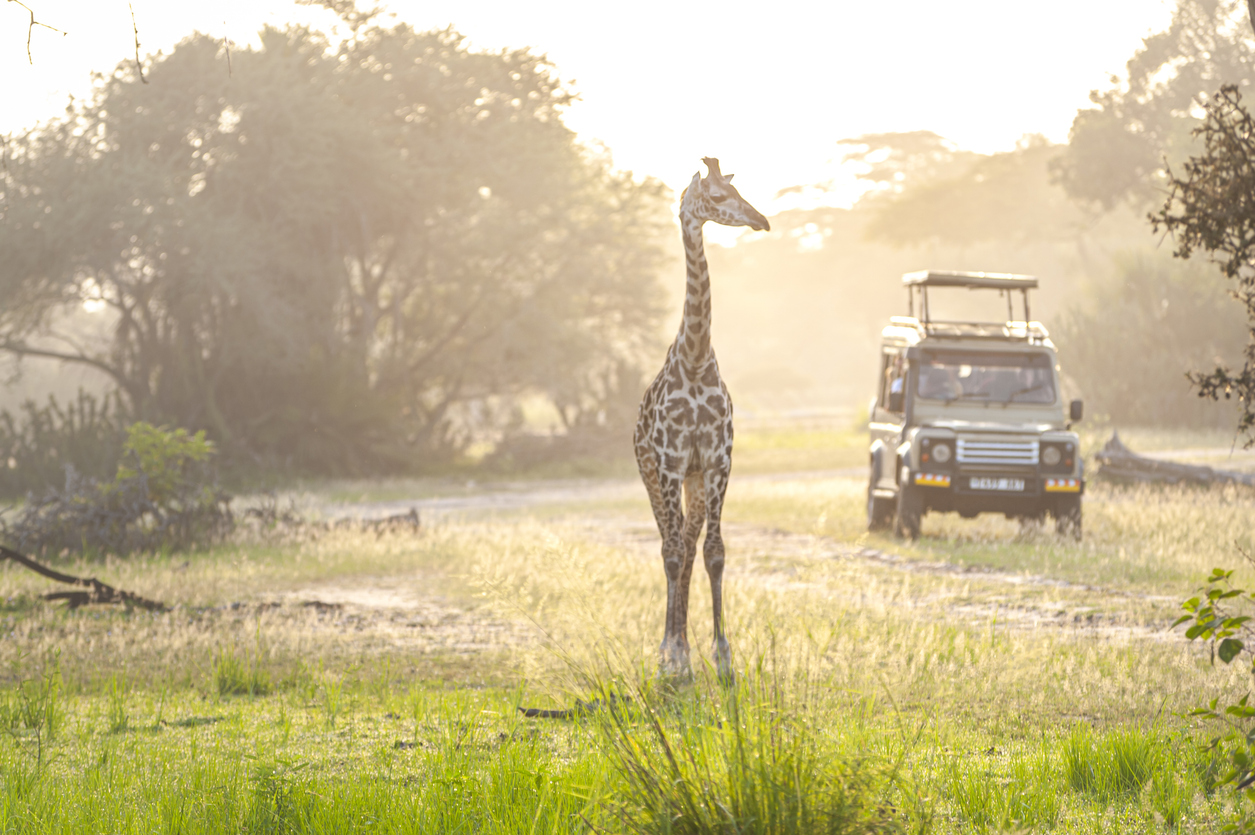
Discover Africa's largest national park. Our guide to Nyerere N.P. covers its wild rivers, unique wildlife, boat safaris, and why it's a must-visit.
Quick facts
- Size: 30,893 km²
- Established: 2019 (as National Park)
- Altitude: 110-1,230 m
- Best Time: June–October (Dry Season)
- Key Wildlife: Wild Dog, Elephant, Hippo
- Key Activity: Boat Safaris
- Bird Species: 450+ species
- Nearest Airport: Dar es Salaam (DAR)
Welcome to the Wild Heart of Tanzania
If the Serengeti is Tanzania’s famous, wide-open stage, then Nyerere National Park is its wild, untamed soul. This is a place of immense scale, a sprawling wilderness where water, not land, dictates the rhythm of life. Forget the traffic jams of the Northern Circuit, a safari in Nyerere feels like stepping back in time to an older, more elemental Africa. As one of the continent's largest protected areas, a Nyerere safari offers a profound sense of solitude and discovery that’s increasingly rare.
Formerly the northern part of the legendary Selous Game Reserve, Nyerere was designated a national park in 2019 to provide this vital ecosystem with a higher level of protection. While the name is new, the wilderness is ancient. This guide is for travellers who hear the call of a wilder, more adventurous Tanzania safari. One defined by boating on vast rivers, walking among giants, and tracking some of Africa’s most elusive predators.
A Landscape Shaped by Water
The true character of Nyerere National Park Tanzania is written in water. The park is dominated by the mighty Rufiji River, which splinters into a breathtaking network of channels, oxbow lakes, and lagoons. This creates a mosaic of habitats found nowhere else on this scale in East Africa.
The Lifeline: The Rufiji River System
The Rufiji is more than a river, it's the park's circulatory system. During the dry season, it becomes a lifeline, drawing incredible concentrations of wildlife to its banks. Riverine forests, filled with towering fig and tamarind trees, line the waterways, providing shade for leopards and browse for giraffes. Away from the water, the landscape shifts to sweeping grasslands and vast miombo woodlands, a classic southern Tanzania environment that provides a home for specialised antelope like sable and kudu. This variety is what makes every game drive, and every moment, feel completely different.
From Selous Game Reserve to Nyerere
For decades, this area was known globally as the Selous Game Reserve, named after the famed explorer Frederick Courteney Selous. The re-designation to Nyerere National Park, in honour of Tanzania's founding father, Julius Nyerere, marked a renewed commitment to conservation. It separates the northern photographic tourism zone from the southern hunting blocks of the remaining Selous, focusing entirely on preserving this incredible wilderness for non-consumptive tourism. For visitors, this means you are exploring the pristine, most scenic, and wildlife-rich part of the original reserve.
The Wildlife of Nyerere National Park
Wildlife in Nyerere is abundant, but the experience of finding it is different. It’s less about ticking off a list and more about immersion. You have to work a little harder, using your senses and relying on your guide’s expertise. The reward is intimate, uncrowded sightings that feel earned and deeply personal.
Predators and Giants
Nyerere is a true predator stronghold. The park’s lion population is significant, and prides are often seen lounging on the riverbanks after a drink. Leopards are also here in good numbers, though their secretive nature means spotting one in the riverine forest is always a special treat. But the real stars of a Nyerere safari are often the African wild dogs. Nyerere National Park is one of the most important sanctuaries left for these endangered, fascinating predators. Watching a pack hunt in the golden light of dawn or dusk is one of the greatest safari experiences in Africa.
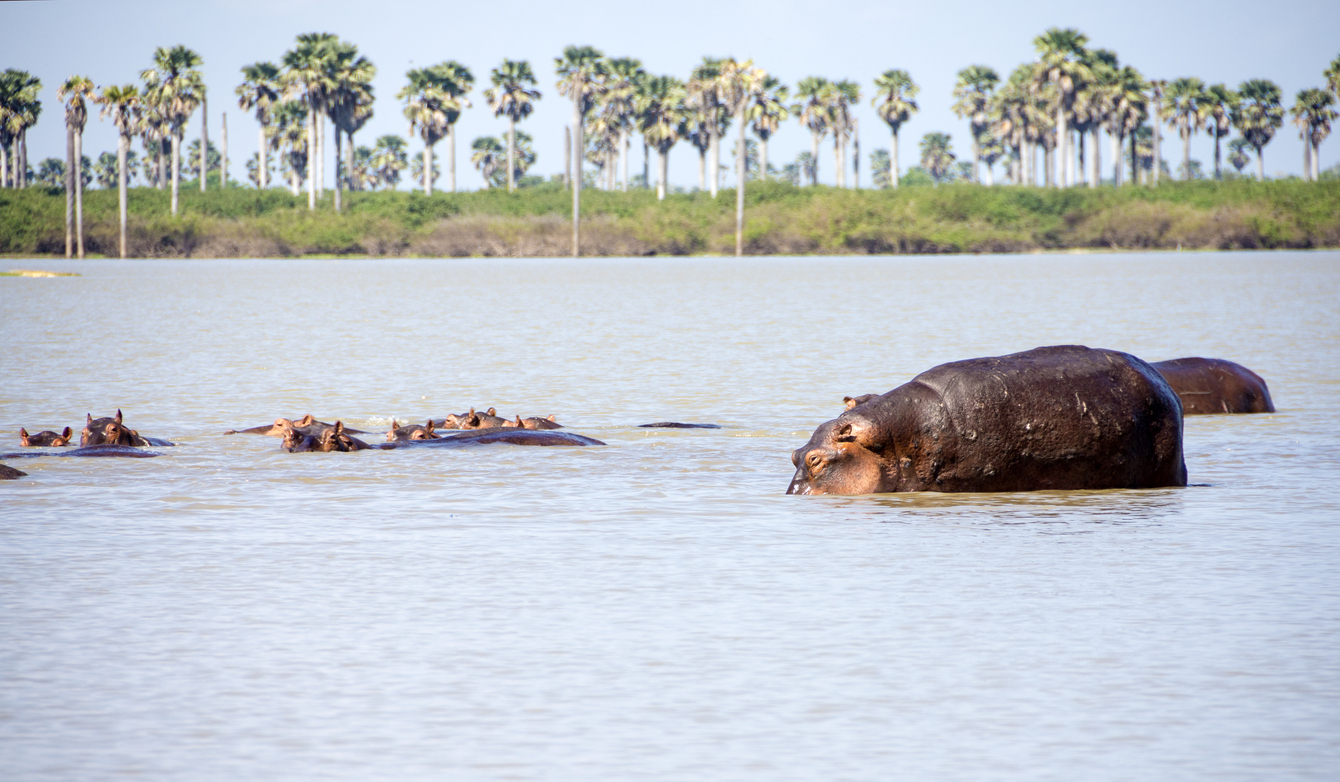
The park is also elephant country, with one of Tanzania’s largest populations. Herds move through the woodlands and come to the lakes to drink and bathe. Hippos and crocodiles are inseparable from the Rufiji River- their sheer numbers are staggering. You’ll find pods of hippos hundreds strong, and some of the largest crocodiles on the continent basking on the sandbanks.
How to Safari in Nyerere: Beyond the Game Drive
What truly sets Nyerere apart is the variety of safari activities on offer. It's one of the few national parks in Tanzania where you can combine classic game drives with boat and walking safaris, offering a complete, 360-degree wilderness experience.
Boat Safaris on the Rufiji
A boat safari in Tanzania is synonymous with Nyerere. Gliding along the river in a flat-bottomed boat offers a completely different perspective. You can get eye-level with crocodiles and pods of grunting hippos, and photograph elephants drinking at the water's edge from just metres away. The birdlife is spectacular from the water, with countless herons, kingfishers, and fish eagles going about their business. A sunset Rufiji River safari, with a cold drink in hand as the sky turns orange, is an experience you will never forget.
Walking Safaris: An Intimate Encounter
To truly understand the bush, you must experience it on foot. A walking safari in Tanzania is at its best in Nyerere. Accompanied by an armed ranger and an expert guide, you leave the vehicle behind and immerse yourself in the environment. It’s not about covering long distances or finding big game, although that can happen. It's about the little things- learning to identify tracks, smelling the wild herbs, and feeling the sheer scale of the landscape around you. It connects you to the wild in a powerful, primal way.
When is the Best Time to Visit Nyerere?
Choosing when to go has a big impact on your safari in Nyerere, as the park transforms dramatically with the seasons.
The Dry Season: June to October
This is overwhelmingly the best time to visit Nyerere for wildlife viewing. As seasonal water sources in the woodlands dry up, animals are forced to congregate along the Rufiji river and the park’s main lakes. The vegetation is thinner, making animals easier to spot. The skies are clear, the days are warm and sunny, and the risk of malaria is at its lowest. This is the peak season, offering the most reliable and rewarding game viewing.
The Green Season: November to May
From November, the rains begin to transform the dusty landscape into a lush, green paradise. This is a stunningly beautiful time to be in the park. It’s when migratory birds arrive, and many animals give birth. For photographers, the vibrant colours, dramatic skies, and healthy-looking animals are a huge draw. However, wildlife can be harder to find as it disperses away from the rivers. The wettest months, April and May, see many lodges close entirely, so it is best to avoid this period. For experienced safari-goers or birders, a trip in January or February can be very rewarding.
Practical Advice for Your Nyerere Safari
Getting There
Nyerere’s remoteness is part of its charm. The easiest and most popular way to get there is by a short bush-plane flight from Dar es Salaam or Zanzibar. This scenic flight takes about 45 minutes to an hour and lands at one of several bush airstrips within the park, where your lodge’s guide will be waiting. This makes Nyerere an excellent addition to a Zanzibar beach holiday, creating a perfect ‘bush and beach’ itinerary.
Why Choose Nyerere?
You choose Nyerere when you want to feel the immense scale of the African bush. You choose it for the water, for the thrill of a boat safari, and for the quiet intimacy of tracking wildlife on foot. It’s a choice for the traveller who values solitude over seeing every single animal, a person who wants an experience that feels authentic and wild. If you’re looking to escape the crowds and find a deeper connection to nature, your Nyerere safari awaits.
Frequently Asked Questions
What is the best time of year to visit Nyerere National Park?
The dry season, from June to October, is generally considered the best time for wildlife viewing in Nyerere National Park. During these months, animals congregate around permanent water sources, making them easier to spot. The weather is also cooler and drier, ideal for game drives and other activities.
How much does a safari to Tanzania's Nyerere National Park typically cost?
The cost of a safari to Nyerere National Park varies widely based on factors like duration, accommodation type, and activities. A mid-range safari can range from $300 to $700 per person per day. Luxury options will be significantly higher, while budget safaris might be less.
What kind of wildlife can be seen in Nyerere National Park?
Nyerere National Park is renowned for its diverse wildlife, including a large population of African wild dogs, lions, leopards, and elephants. Visitors can also spot hippos, crocodiles, giraffes, zebras, and numerous antelope species. The Rufiji River attracts a wide array of water-dependent animals and birds.
Is it safe to go on safari in Nyerere National Park?
Yes, safaris in Nyerere National Park are generally very safe when conducted with reputable tour operators and experienced guides. They follow strict safety protocols to ensure the well-being of visitors. As with any travel, it's wise to take standard precautions for personal belongings and health.
What should I pack for a safari adventure in this Tanzanian park?
For a safari in Nyerere National Park, pack light, comfortable clothing in neutral colors, suitable for warm weather. Include long sleeves and pants for evenings to protect against insects, a wide-brimmed hat, sunglasses, and good walking shoes. Don't forget essentials like sunscreen, insect repellent, and a camera with extra batteries.
What is the primary way to get to Nyerere National Park?
The most common way to access Nyerere National Park is by scheduled or charter flight from Dar es Salaam, which lands at various airstrips within the park. Road access is also possible but involves a longer journey, often taking several hours depending on the starting point and road conditions. Some lodges offer direct transfers.