Choosing a Lodge in Ngorongoro Conservation Area
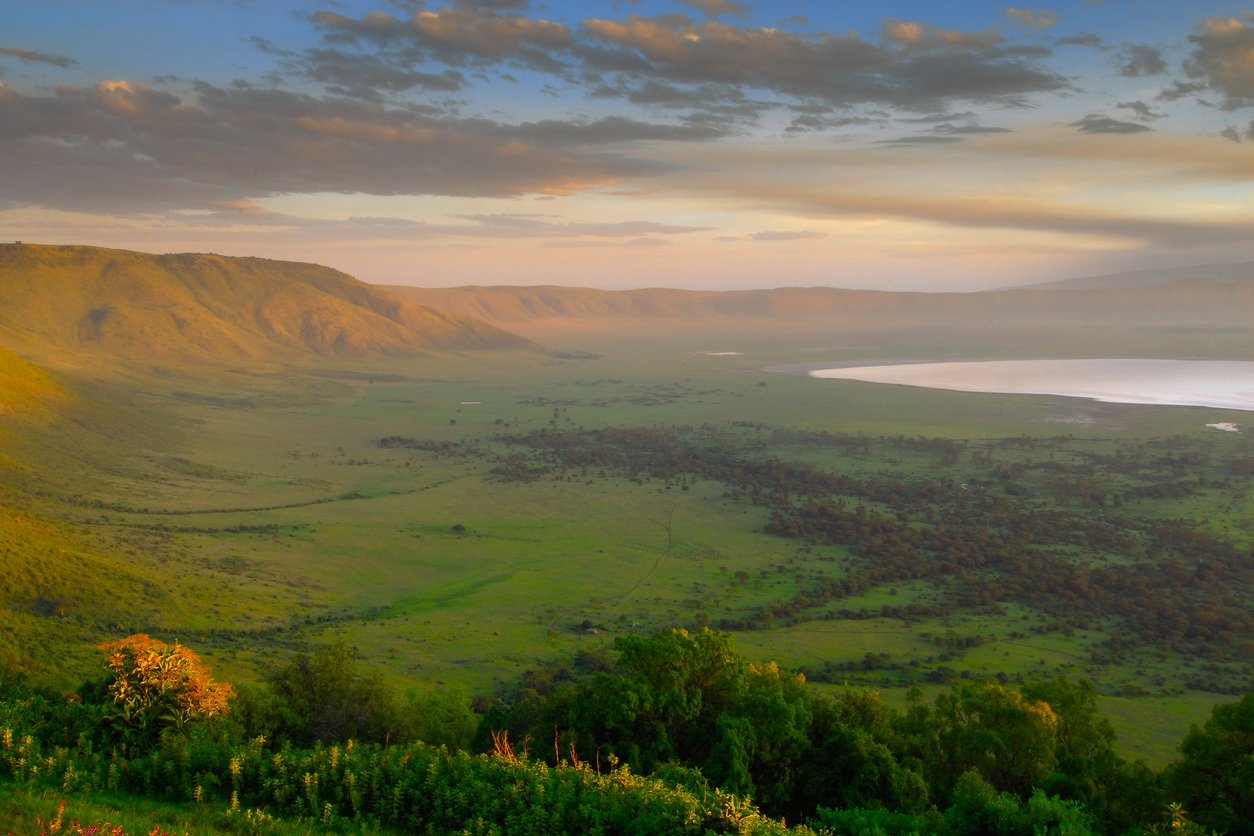
Struggling to choose the perfect Ngorongoro lodge? We break down the pros and cons of staying on the Crater Rim versus the highlands of Karatu.
Quick facts
- Size: 8,292 km²
- Crater Floor Altitude: 1,800 m (5,900 ft)
- Crater Rim Altitude: 2,300 m (7,500 ft)
- Established: 1959
- UNESCO Status: 1979 (World Heritage Site)
- Best Game Viewing: Jun–Oct
- Calving Season (Ndutu): Jan–Mar
- Nearest Airport: Arusha (ARK), Kilimanjaro (JRO)
Finding Your Perfect Basecamp in Ngorongoro
The Ngorongoro Crater is one of those places that truly lives up to the hype. It’s a self-contained world teeming with wildlife, a collapsed volcanic caldera that has become a real-life Garden of Eden. When you see it for the first time, peering down from the rim, it’s a moment that sticks with you. But that initial awe is often followed by a very practical question: with so many options, where on earth should I actually stay?
Unlike other parks where the choice is often about which part of a vast wilderness to explore, choosing a lodge in Ngorongoro is a strategic decision. It’s a trade-off between breathtaking views, travel time, budget, and the kind of experience you want to have beyond the game drive. Your lodge isn't just a place to sleep- it defines your entire Ngorongoro experience.
Let's break down the main options so you can find the perfect fit for your safari.
The Big Decision: Crater Rim vs. The Highlands (Karatu)
Nearly every lodge serving the Ngorongoro Crater falls into one of two main geographic areas. Understanding the difference between them is the single most important step in choosing your accommodation.
Option 1: Staying on the Ngorongoro Crater Rim
This is the bucket-list option. Lodges here are perched directly on the rim of the caldera, offering staggering, uninterrupted views down onto the crater floor. Waking up, pulling back the curtains, and seeing that incredible panorama unfold is an experience in itself.
The Pros: The view, the view, the view. You simply cannot beat it. You also have the shortest possible travel time to the descent road, meaning you can be among the first vehicles on the crater floor in the morning, catching the best light and early animal activity. The sense of place is immense.
The Cons: You pay a premium for that view! Lodges on the rim are consistently the most expensive in the region. It can also be quite cold and misty, especially in the evenings and early mornings, given the high altitude (around 2,300 meters or 7500 feet). Finally, there's not much to do at the lodge besides admire the view and go on your crater game drive.
Who it's for: Travellers on a once-in-a-lifetime trip, honeymooners, and anyone for whom that iconic crater view is a non-negotiable part of the experience. If your budget allows and you want to maximize your time in the crater, the rim is hard to beat.
Option 2: Staying in the Ngorongoro Highlands or Karatu
Just outside the Conservation Area's main gate lies the lush, rolling landscape of the Ngorongoro Highlands and the charming town of Karatu. This area is dotted with beautiful lodges, often set on old colonial coffee farms or with lovely gardens and views across the hills.
The Pros: Better value for money is the biggest draw. You can often find a more luxurious lodge here for the price of a standard room on the crater rim. The climate is warmer and more pleasant, and there's a huge range of activities available, from guided walks and coffee plantation tours to visiting local markets and schools. It offers a more rounded, culturally rich experience.
The Cons: The main trade-off is travel time. You'll have about a 30 to 60-minute drive to get to the crater descent road. This means a very early start and a slightly shorter day on the crater floor compared to those staying on the rim. And, of course, you don’t get 'the' view from your room.
Who it's for: Families, travellers on a slightly tighter budget, and anyone who wants to experience more of Tanzania than just the inside of a safari vehicle. If you're spending multiple nights in the area, a Karatu base allows for a wonderful mix of wildlife and culture.
What's Your Safari Style? Matching a Lodge to Your Trip
Once you've decided on a general location, you can narrow it down by the type of trip you’re taking. Ngorongoro has something for everyone, from classic safari grandeur to intimate, rustic charm.
For the Romantic or Honeymoon Trip
You'll be looking for intimacy, service, and those special touches. On the rim, lodges with private decks and classic, elegant decor excel. In the Karatu area, consider the smaller, boutique farm-style lodges that offer private cottages, roaring fireplaces, and farm-to-table dining experiences. These often feel more secluded and personal.
For The Family Safari
Families often find the Karatu area to be a better fit. Many lodges here have swimming pools, a huge plus for kids after a day in the car, as well as family suites or interconnecting rooms. The ability to do things like short walks, visit a local village, or learn about coffee farming provides a great, non-vehicle-based activity to break up the safari itinerary and keep younger travellers engaged.
For the Great Migration Seeker (January to March)
This is a special case. If your trip is between January and March, you have a third incredible option: staying in the Ndutu area. Located in the far south of the Ngorongoro Conservation Area, spilling into the Serengeti, this is where the Great Migration wildebeest herds gather for their calving season. Mobile and semi-permanent tented camps pop up here, offering a front-row seat to one of nature's greatest spectacles. You'd visit the main crater as a day trip from here, but the focus is squarely on the migration action. It’s a brilliant choice for safari veterans or photographers during this specific window.
A Few Final Things to Consider
Before you make your final decision, keep these practical points in mind.
The Crater Floor is the Main Event
Remember that no matter where you stay, you'll be exploring the same place- the Ngorongoro Crater floor. It's a relatively small area (about 260 square kilometers), and game drives are limited to a maximum of six hours to protect the environment. A lodge on the rim gets you there quicker, but everyone shares the same incredible space. The wildlife is phenomenal, with a dense population of predators and the Big Five all present, though the leopard is notoriously shy. It's one of the better places in Africa to see black rhino.
When You Visit Matters
The time of year can influence your choice. During the main dry season (June to October), wildlife viewing in the crater is at its peak, and the weather on the rim is generally clear, making those views even more spectacular. This is peak season, so booking well in advance is essential for rim lodges. In the greener season (November to May), Karatu lodges can be a lovely, cozy retreat from afternoon showers, and you'll benefit from lower rates and fewer crowds. And as mentioned, from January to March, Ndutu becomes the centre of the safari world.
It's a Matter of Priority
Ultimately, choosing your lodge comes down to what you value most. Is it the iconic, jaw-dropping view from your window the second you wake up? Or is it a more immersive cultural experience, better value, and a wider range of activities? There’s no right or wrong answer. By weighing the pros and cons of the rim versus the highlands, you can confidently choose the basecamp that will make your Ngorongoro safari truly unforgettable.