How to Choose the Right Safari Lodge in Tarangire
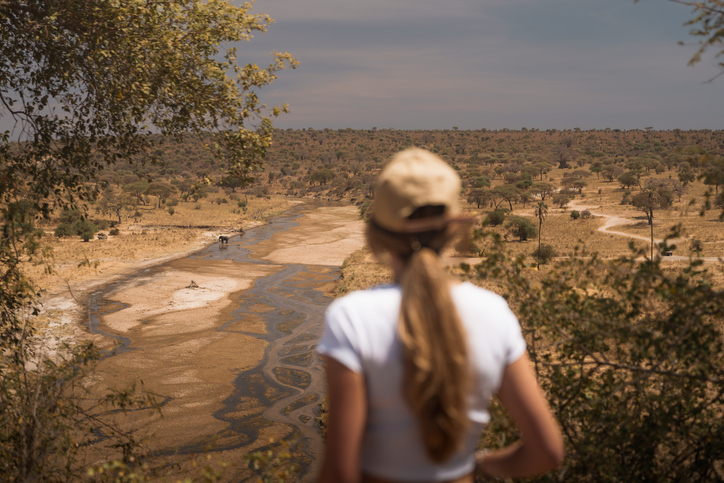
Choosing a safari lodge in Tarangire can be overwhelming. Our expert guide helps you decide based on location, budget, travel style, and what you want from your safari.
Quick facts
- Size: 2,850 km² (1,100 sq mi)
- Established: 1970
- Key Wildlife: Elephant, Lion, Leopard
- Famous For: Baobab trees, large herds
- Best Time (Dry): June to October
- Best Time (Green): November to May
- Bird Species: Over 550 species
- Nearest Airport: Kilimanjaro Int'l (JRO)
A Practical Guide to Finding Your Perfect Tarangire Lodge
So, you’ve settled on Tarangire National Park for your safari. A fantastic choice. It’s a place of ancient baobabs, vast elephant herds, and a wild, untamed beauty that gets under your skin. But now comes the next big question: where do you stay? A quick search brings up a dizzying array of camps and lodges, and it’s easy to feel a bit lost.
Don't worry. Choosing a lodge is less about finding the single “best” one and more about finding the one that’s the perfect fit for you. As a guide who has spent countless nights under Tarangire’s starry skies, I can tell you that your choice of accommodation fundamentally shapes your experience. It’s your basecamp for adventure, your retreat after a dusty day, and your window into the wilderness.
This guide is designed to help you navigate those choices. We won't name specific lodges. Instead, we’ll break down the key factors to consider. Everything from location and seasonality to your personal travel style, so you can make an informed decision and find a place that feels like home.
Location, Location, Location: Inside vs. Outside the Park
This is probably the most important decision you’ll make. Your lodge's location dictates your daily rhythm and the type of safari experiences available to you.
Staying Inside the National Park
There's a certain magic to sleeping inside the park boundaries. You wake up and you’re already in the thick of it. The main advantage is immediate access. You can be out on your game drive as the sun rises, long before vehicles coming from outside have even reached the gate. This is a huge plus for keen photographers chasing that golden light. The downside? You’re bound by national park rules, which typically means no night drives or walking safaris, and you must be back at your lodge by dusk. Some areas, particularly in the north, can also feel busier.
Staying in a Neighbouring Wildlife Management Area (WMA)
Many lodges are located just outside the official park borders in community-owned conservation areas called WMAs. Don't think of this as being 'outside the action'. These WMAs are often superb wildlife areas themselves, acting as crucial dispersal zones for the animals. The big benefit here is flexibility. Lodges in WMAs can usually offer guided bush walks and night drives, activities that give you a completely different perspective on the ecosystem. The experience can feel more exclusive and private, away from the main safari routes inside the park. The trade-off is the short drive required to get into the main park for your game drives there.
Decoding Tarangire’s Different Regions
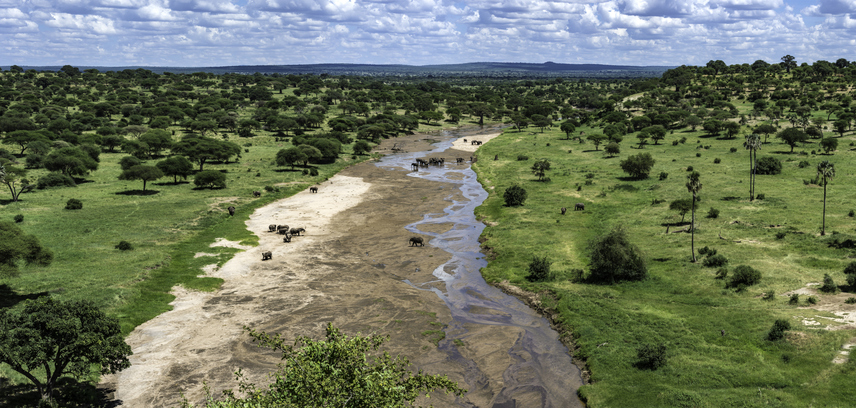
Tarangire isn't uniform. The experience in the north is vastly different from the south. Knowing this can help you zero in on the right area for your lodge.
The Busy North: Close to the main gate, the northern sector is the most accessible part of Tarangire. It follows the lifeblood of the park, the Tarangire River, and during the dry season, it offers some of the most concentrated and reliable game viewing. It's a great option if you have limited time. The trade-off is that it’s also the most popular area, so you will share your sightings with more vehicles, especially in peak season.
The Quiet Central and Southern Reaches: To me, this is the soul of Tarangire. As you drive south, the landscape opens up into vast swamps and acacia woodlands. It feels wilder, more remote. Fewer lodges are located this deep in the park, meaning your game drives are far more exclusive. It’s a place for slow safaris, for watching the landscape unfold. You need a bit more time to make a stay here worthwhile, as it’s a longer drive in.
The Western Boundary: This area, often encompassing the WMAs, offers a great balance. You're close enough to the core of the park but benefit from the privacy and unique activities of being on the fringe or in a private concession. It’s an excellent choice for repeat visitors or anyone seeking a more multi-faceted safari experience.
What’s Your Safari Style? Tented Camp vs. Solid Lodge
This comes down to personal comfort and how connected you want to feel to the bush.
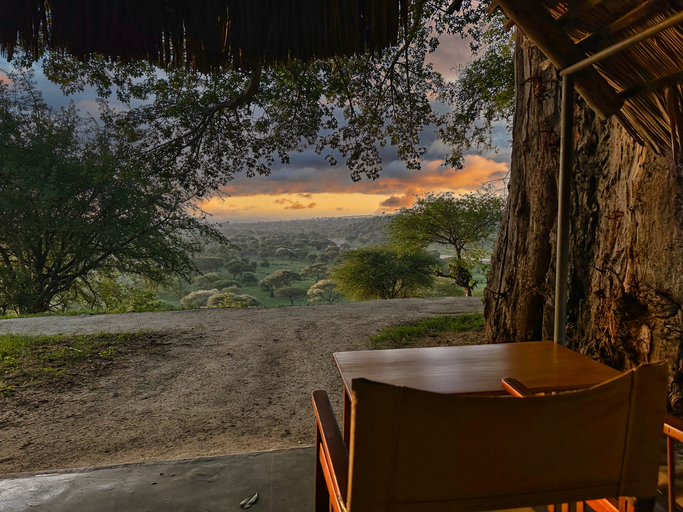
Classic Tented Camps are the quintessential safari experience for many. Falling asleep to the sound of a distant lion roar or the munching of a nearby zebra through canvas walls is unforgettable. These aren't basic tents. Think spacious, insect-proof canvas rooms with proper beds, furniture, and full ensuite bathrooms with flushing toilets and hot showers. They offer a deep sense of immersion in nature.
Permanent Lodges are built with solid walls of stone, wood, and thatch. They can feel more like a traditional hotel, which can be reassuring for first-time safari-goers or families with young children. They often have amenities like large swimming pools, Wi-Fi in the main areas, and more extensive communal spaces. The experience is very comfortable, but you can feel a little more removed from the surrounding wilderness.
Finding Your Price Point
Safari lodges in Tarangire cater to a wide range of budgets. We use a simple 1-5 scale ($ to $$$) to help you filter. It's important to remember that price often correlates with exclusivity, location, and the level of guiding, not just the thread count of the sheets.
Value ($ - $): These lodges offer a comfortable and clean base for exploring the park. They might be larger properties, located further from the main wildlife hotspots, or offer a more no-frills service. They are an excellent way to make a safari more accessible.
Mid-Range ($$): This is the sweet spot for most travellers, offering a fantastic balance of comfort, prime location, and excellent guiding. You’ll find many of the best-loved classic tented camps in this category.
Luxury & Premier ($$ - $$$): These are the top-tier properties. Expect exceptional, personalised service, expert private guides, gourmet food, and stunning locations that offer maximum privacy and exclusivity.
How the Seasons Affect Your Lodge Choice
Tarangire changes dramatically with the seasons, and this should influence your lodge location.
During the dry season (June to October), water is scarce and thousands of animals migrate into the park, drawn to the Tarangire River. This is when lodges situated along the river in the north and central areas are at their absolute prime. The game viewing is phenomenal and concentrated.
During the green season (November to May), the rains transform the park into a lush, green paradise. The resident wildlife is still here, but the migratory herds disperse as water is available everywhere. This is a beautiful time for birding and seeing baby animals. A lodge in a more remote southern area or a WMA can be incredible during this time, offering a sense of solitude and discovery as you explore the vibrant, scattered wilderness.
Matching a Lodge to Your Travel Purpose
Who you are travelling with and why you are travelling should be a final filter.
First-Time Safari: You might appreciate the feel of a solid lodge or a well-established camp in the northern or central part of the park. It’s a great introduction without feeling too remote.
Honeymoon or Romance: Look for smaller, more intimate camps that prioritise privacy. A lodge in a WMA offering private dinners and romantic star-gazing could be perfect.
Family Safari: Check for lodges that offer family tents or interconnecting rooms. A swimming pool is often a huge hit with kids. Lodges closer to the main gate can help minimise travel time in the car.
Keen Photographer: Location is everything. A camp deep inside the park that allows you to be out at first and last light is non-negotiable. Some lodges also offer specially adapted vehicles or photo-focused guides.
Seasoned Safari Traveller: If you’ve done this before, you might crave something different. Consider the remote, quiet camps in the south or a concession where you can focus on walking and truly get off the beaten track.
Putting It All Together
Choosing the right safari lodge in Tarangire is a journey of self-discovery. There's no right or wrong answer, only what’s right for your adventure. Start by thinking about these key questions. Do you want to be in the heart of the action or in a quieter, private area? Do you dream of canvas walls or solid structures? Are bush walks and night drives a must-have?
Once you have a clearer picture of your ideal stay, you can start exploring the options that tick your boxes. The perfect lodge is out there, waiting to be your home in the land of giants.