A Guide to Planning Your Safari in Serengeti National Park, Tanzania
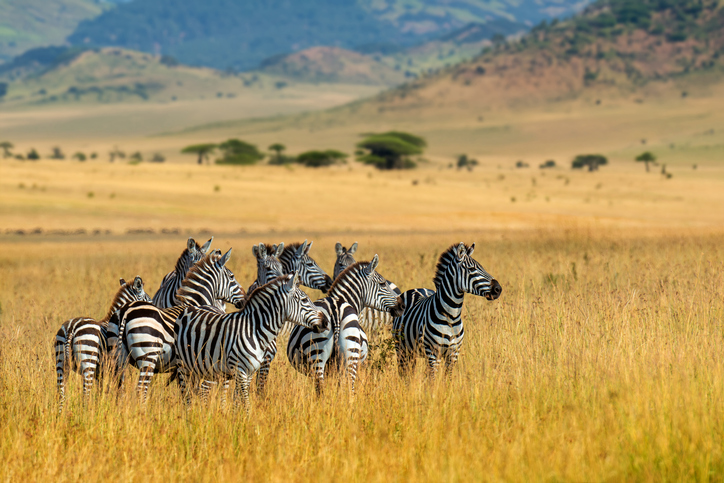
Our expert guide to planning a luxury Serengeti safari, covering the Great Migration, the best time to visit, how to get there, and where the incredible wildlife can be found.
Quick facts
- Size: 14,763 km² (approx.)
- Established: 1951
- UNESCO WH Site: 1981
- Annual Migration: 1.5 M wildebeest
- Best Migration View: Jul–Oct (Migration)
- Nearest Major Airport: Arusha (KIA)
- Main Altitude: 920 to 1,850 m
The Endless Plains of the Serengeti
There are few places on Earth that conjure images of classic Africa quite like the Serengeti. The name itself, derived from the Maasai word ‘siringet’, means ‘the place where the land runs on forever’. It’s a description you’ll truly understand when you first stand on the southern plains, with the horizon stretching out in every direction. This isn’t just a national park. It's a vast and ancient ecosystem covering almost 30,000 square kilometres, a UNESCO World Heritage Site that spills across the border into Kenya’s Maasai Mara. A safari here is about witnessing nature on a truly epic scale, from the tiniest dung beetle to the thundering herds of the Great Migration.
The Great Migration: A Month-by-Month Guide
The rhythm of life in the Serengeti is dictated by the constant movement of over 1.5 million wildebeest, 200,000 zebra, and a host of gazelle. The Serengeti wildebeest migration is the largest terrestrial mammal migration on the planet, a relentless cycle of birth, life, and survival driven by the search for fresh grazing and water. Timing is everything if you want to witness its key moments.
January – March: This is the famous Ndutu calving season. The herds concentrate on the nutrient-rich short-grass plains of the southern Serengeti and the Ngorongoro Conservation Area. Tens of thousands of calves are born, attracting a high density of predators and making for dramatic wildlife viewing.
April – May: The long rains begin. The herds start moving north-west, often splitting up as they head towards the Western Corridor. This is a quieter time in the park, but the landscape is beautifully green and lush.
June – July: The herds reach the Western Corridor and face their first major obstacle- the Grumeti River. It's home to some of Africa’s largest crocodiles, and the crossings here can be spectacular, though often less chaotic than the Mara River crossings later on.
July – October: This is the headline act. The migration reaches the far northern Serengeti, where the herds must cross the treacherous Mara River back and forth into Kenya. These explosive, dramatic Mara river crossings are what many people come for and are the centrepiece of a classic Great Migration Tanzania safari.
November – December: With the short rains returning, the herds begin their long journey south again, moving through the Lobo and central Seronera areas to return to the southern plains, ready for the cycle to begin anew.
Wildlife and the Legendary Big Five
While the migration is the superstar, the Serengeti's resident wildlife is just as compelling. A Serengeti safari offers some of the most consistent and rewarding game viewing on the continent. The park is a stronghold for big cats and home to all of the Big Five.
Lions: The Serengeti is synonymous with lions. The central Seronera Valley, with its abundant resident prey, supports huge prides. You’ll often find them resting in the shade of acacia trees or using the granite outcrops, known as kopjes, as lookout points.
Leopards: These elusive cats are masters of camouflage. Look for them draped over the branches of sausage trees or hiding amongst the rocky kopjes, particularly in the Seronera region.
Elephants and Buffalo: Large herds of elephants roam the park, particularly fond of the riverine forests. Huge herds of Cape buffalo, often hundreds strong, are a common and impressive sight on the open plains.
Black Rhino: After near-extinction due to poaching, a small but growing population of black rhino has been successfully reintroduced. Your best chance of seeing them is in the well-protected Moru Kopjes area in the south-central Serengeti.
Beyond the Big Five: The open plains are perfect cheetah territory, especially in the south. You may also be lucky enough to spot the highly endangered African wild dog, often found on the move in the park's eastern concessions.
Animal | Scientific Name | Primary Habitat | Conservation Status |
|---|---|---|---|
African Elephant | Loxodonta africana | Savannas, Forests | Endangered |
Black Rhino | Diceros bicornis | Grasslands, Woodlands | Critically Endangered |
Cape Buffalo | Syncerus caffer | Savannas, Swamps | Near Threatened |
African Lion | Panthera leo | Grasslands, Savannas | Vulnerable |
African Leopard | Panthera pardus pardus | Varied, adaptable | Vulnerable |
The Regions of the Serengeti
The Serengeti's immense size means it’s best understood as a collection of distinct regions, each offering a different experience at different times of the year.
The Seronera and Central Serengeti
This is the heart of the park and its busiest region. The Seronera River provides a permanent water source, supporting a fantastic density of resident wildlife year-round. It's an excellent area for spotting big cats, but be prepared to share your sightings with other vehicles, especially in peak season.
The Northern Serengeti (Kogatende)
From July to October, this is the place to be. The landscape is wilder, with rolling hills and the meandering Mara River. The focus here is squarely on the dramatic river crossings, and the area is served by remote, often seasonal, camps that provide a front-row seat to the action.
The Western Corridor (Grumeti)
Best visited around June and July, this region is defined by the Grumeti River. It’s quieter than the north and offers a more exclusive feel, with vast private concessions bordering the park that allow for activities like night drives and walking safaris.
The Southern Plains (Ndutu)
From January to March, these seemingly empty plains transform into the birthing ground for the Great Migration. It offers a completely different kind of luxury Serengeti safari experience- vast, open landscapes, incredible predator action, and the sight of thousands of newborn wildebeest.
Best Time to Visit the Serengeti
There is genuinely no bad time for a Serengeti safari, only different times for different experiences. Your choice depends on what you most want to see.
June to October (Dry Season): The weather is pleasant, and the vegetation is thinner, making wildlife easier to spot. This period is peak season for general game viewing and coincides with the dramatic Mara river crossings in the north.
January to March (Calving Season): The best time to visit Serengeti for predator action. Head to the southern Ndutu region to witness the incredible spectacle of the calving season on the green plains.
April, May & November (Green Seasons): These are the shoulder seasons with more rain. The rewards are fewer crowds, lower prices, lush green landscapes perfect for photography, and phenomenal birdwatching as migratory species arrive.
How to Get to the Serengeti
Most international travellers fly into Kilimanjaro International Airport (JRO) near Arusha. From there, the most efficient way to reach the Serengeti is by a short light aircraft flight. These flights connect you to a network of airstrips across the park- like Seronera, Kogatende, Kusini, or Grumeti- getting you to your camp quickly and offering breathtaking views along the way. For those on a more extensive Northern Circuit Tanzania itinerary, it’s common to drive from Arusha to Tarangire or Lake Manyara, then on to the Ngorongoro Crater, before entering the Serengeti by road from the south-east. The drive from the Ngorongoro Crater rim to the central Seronera area takes around 3-4 hours.
Where to Stay: Camps and Lodges
Accommodation in the Serengeti caters for every style, with a strong focus on immersive, high-quality experiences. You can choose from mobile migration camps that pack up and move to follow the wildebeest herds, providing an unbeatable location for the action. There are also permanent tented camps, which offer the romance of sleeping under canvas with all the comforts of a luxury hotel room. Finally, you’ll find beautifully designed permanent lodges, often built around kopjes or with sweeping views over the plains.
Beyond the Game Drive
While game drives are the main event, there are other ways to experience the magic of the Serengeti.
Hot-Air Balloon Safari: Drifting silently over the plains as the sun rises is an unforgettable experience, giving you a unique perspective of the landscape and the animals below.
Guided Bush Walks: In the private concessions bordering the national park, you can leave the vehicle behind and explore the bush on foot with an armed guide, connecting with the smaller details of the ecosystem.
Cultural Visits: Many camps partner with local Maasai communities, offering respectful and authentic opportunities to learn about their traditional way of life.
Night Drives: Also restricted to private concessions, night drives reveal the world of nocturnal creatures like civets, genets, and bushbabies.
Practical Safari Tips
Trip Length: To do the park justice, plan for a minimum of four nights in the Serengeti itself. A classic Northern Circuit Tanzania safari combining the Serengeti with Tarangire and the Ngorongoro Crater is ideally 7 to 10 nights long.
Park Fees: Be aware that daily conservation fees apply for entering the national park. These are usually included in your pre-booked safari package.
Health: The Serengeti is a malaria area. Consult your doctor about appropriate anti-malarial medication before you travel.
Packing: Pack light, neutral-coloured clothing in layers. A warm fleece or jacket is essential for cool early mornings and evenings. Remember binoculars, a good camera with a zoom lens, and plenty of memory cards.
Travel Responsibly
As visitors, we have a duty to protect this incredible wilderness. Choose safari operators and camps with strong ecotourism credentials and low environmental footprints. Staying in the private concessions that border the park, like Grumeti or Loliondo, directly supports community-owned land and conservation initiatives. Always respect wildlife viewing distances and listen to the expertise of your guide.
An Unforgettable African Journey
The Serengeti is more than just a destination- it’s an experience that gets under your skin. The sheer scale of the landscape, the density of the wildlife, and the raw drama of the Great Migration combine to create one of the most powerful and profound safari experiences on the planet. It’s a place that delivers on its legendary reputation and belongs at the very top of any serious traveller's list.