A Guide to Samburu National Reserve: Kenya's Rugged Northern Frontier
Discover Samburu National Reserve's unique wildlife, from the gerenuk to the Grevy's zebra, and its starkly beautiful, arid landscapes.
Quick facts
- Size: 165 km² (64 sq mi)
- Altitude: 800m – 1,230m
- Established: 1985
- Mammal Species: Approx. 90+
- Bird Species: Over 450 species
- Best Time to Visit: Jun–Oct, Dec–Mar
- Nearest Airport: Samburu Airstrip (ASV)
A World Away from the Mara
When you picture a Kenyan safari, you probably imagine the vast, grassy plains of the Masai Mara, dotted with acacia trees and teeming with wildebeest. It’s an iconic image for a good reason. But Kenya has another side, a wilder and more rugged heart beating in its northern frontier. This is Samburu, and it’s a world away from the Mara in the best possible way.
Forget endless grasslands. Samburu is a land of semi-arid desert, rocky outcrops called kopjes, and thorny scrub. It’s a landscape painted in shades of ochre, rust, and dusty green. The air is hotter, the light is sharper, and the sense of adventure feels a little more palpable. Cutting through it all is the lifeblood of the region, the Ewaso Ng'iro River. This palm-fringed ribbon of water is where the magic happens, drawing wildlife from the dry hinterlands to its banks.
A safari here isn't just about ticking off the Big Five. It’s about discovering a completely different cast of characters, seeing animals uniquely adapted to this harsh environment, and experiencing a landscape with a raw, powerful soul.
Understanding the Samburu Ecosystem
When we talk about 'Samburu', we're usually referring to a trio of reserves that border each other. Your park fee typically grants you access to two of them, and they function as one large, unfenced ecosystem. The Ewaso Ng'iro River is the natural boundary.
Samburu National Reserve: Located on the northern bank of the river, this is the most famous of the three and where you'll find many of the lodges and camps. It features a mix of riverine forest and open scrubland.
Buffalo Springs National Reserve: Lying on the southern bank, Buffalo Springs is slightly hillier and known, as its name suggests, for its clear water springs that create small, lush oases. The wildlife roams freely between here and Samburu.
Shaba National Reserve: Further east and less visited, Shaba is more rugged and dramatic still, characterized by volcanic rock formations and a real sense of isolation. It was made famous by Joy Adamson of "Born Free" fame, who reintroduced cheetahs here. It’s a great choice for those seeking true wilderness.
Meet the Locals: The Samburu Special 5
This is the real headline act of the region. While you can find lions, leopards, and elephants here, Samburu is the best place in Kenya, and often the world, to see a unique quintet of animals perfectly suited to this dry environment. Finding them becomes a wonderfully rewarding treasure hunt.
Reticulated Giraffe: Their coats are absolutely stunning, with sharp, crisp, reddish-brown patches separated by a network of thin white lines. They look completely different to the more common Masai giraffe found further south.
Grevy's Zebra: Forget the familiar plains zebra. The Grevy's is bigger, with a thick, bull-like neck, a white belly, and a stunning pattern of very fine, numerous stripes that don't extend to the underbelly or legs.
Gerenuk: My personal favourite. This long-necked antelope is often called the 'giraffe-gazelle'. It has a remarkable ability to stand on its hind legs, bracing itself against a tree with its front legs, to browse on taller branches that other herbivores can't reach.
Somali Ostrich: The males are distinguished from the common ostrich by their striking blue-grey necks and legs, which become even more vibrant during mating season.
Beisa Oryx: A robust and handsome antelope with dramatic, spear-like horns and striking black-and-white facial markings. They are incredibly tough and well-adapted to survive in arid conditions.
Beyond the Special 5: Other Wildlife Highlights
The unique species are the main draw, but the supporting cast is just as impressive. Samburu has a strong reputation for leopard sightings. The rocky kopjes that litter the landscape are perfect leopard territory, and guides here are experts at scanning the rocks and sausage trees for a flick of a tail.
Elephants are plentiful, and watching large herds come down to the Ewaso Ng'iro to drink, splash, and play is a daily spectacle. In the driest months, you can even see them using their feet and trunks to dig for water in the sandy riverbed, creating wells that other animals then use.
Lions are present and powerful, their calls echoing through the cool night air. Cheetahs stalk the more open plains, and the river is home to a healthy population of crocodiles. For birders, Samburu is a paradise, with over 450 species recorded. Keep an eye out for the spectacular vulturine guineafowl, an almost prehistoric-looking bird, and numerous dry-country specials you won’t find in the south.
Choosing Your Base: Samburu Lodges and Camps
So, where should you hang your hat in Samburu? The area has a wonderful mix of accommodation, from classic stone-and-thatch lodges to intimate tented camps, and your choice helps define the feel of your safari. Most options are small and personal, focused on delivering a great wilderness experience.
Location is everything here. Many of the best-known properties are set right on the banks of the Ewaso Ng'iro River. This is a fantastic choice, especially in the dry season. It means you can often watch elephants, giraffes, and other animals coming to drink right from your veranda or the camp's main area. It gives you a constant connection to the lifeblood of the reserve.
You will also find camps situated on private community conservancies bordering the main reserves. These often offer a bit more exclusivity with fewer other vehicles around. Because they are on private land, they can also typically offer a wider range of activities-like the walking safaris or cultural visits we mentioned-that aren't always possible inside the national reserve itself. Plus, staying in a conservancy means your visit directly benefits the local Samburu landowners, which is a fantastic model of community-based tourism.
Ultimately, whether you choose a solid lodge with a swimming pool or a tented camp where you can hear the lions roar at night, the quality of guiding is key. The best places invest heavily in their local Samburu guides, whose knowledge of this land and its creatures is second to none.
When Is the Best Time to Visit Samburu?
Like most of Kenya, Samburu’s climate is defined by its dry and rainy seasons. The best time for you depends on what you want from your safari.
The Dry Seasons (June to October & December to March)
This is prime time for wildlife viewing. With water scarce elsewhere, animals are forced to congregate along the Ewaso Ng'iro River and at the pools in Buffalo Springs. The vegetation is thinner, making spotting them easier. The skies are generally clear and blue, and the weather is hot and dry. The June-October period is the peak season, while Jan-Mar is also excellent with slightly fewer visitors.
The Rainy Seasons (November & April to May)
These are the 'green seasons'. The short rains in November and the long rains from April to May transform the dusty landscape into a surprisingly lush and green environment. Wildlife disperses, making it a bit more challenging to find, and some roads can become impassable. However, the rewards are significant: lower prices, far fewer tourists, incredible lighting for photography, and the landscape is at its most beautiful. It's also the best time for birdwatching as migratory birds arrive.
Ways to Experience Samburu: Safari Styles
Samburu offers a wonderful variety of activities that go beyond the standard safari vehicle experience.
Classic Game Drives
The cornerstone of any safari, game drives in a 4x4 with an expert guide are the best way to cover ground and find the Samburu Special 5, the big cats, and the elephants. Morning and late afternoon drives are standard, when the animals are most active.
Walking Safaris
To truly connect with the bush, get out on your own two feet. Accompanied by an armed guide and a local Samburu tracker, a walking safari allows you to notice the smaller details-the tracks, the insects, the plants-and experience the wilderness on a much more intimate level.
Cultural Encounters
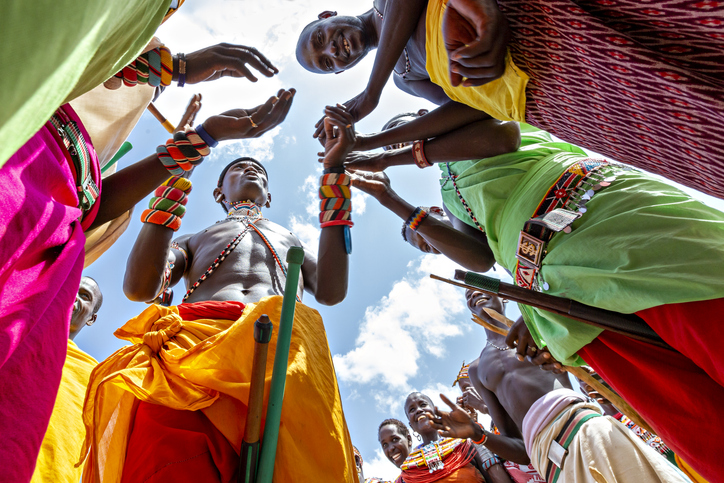
The land is named for the Samburu people, a semi-nomadic tribe closely related to the Maasai. Their culture is vibrant and deeply connected to the land and their livestock. Many lodges can arrange respectful and authentic visits to a local village, where you can learn about their traditions, daily life, and warrior culture. It’s an incredibly enriching experience.
Camel-Back Safaris
A truly unique way to explore this arid landscape is on the back of a camel. This traditional mode of transport allows for a quiet, gentle-paced exploration of the areas outside the reserve, offering a completely different perspective of the environment.
Practical Advice for Your Samburu Safari
Getting There
The easiest and most common way to get to Samburu is by a short scheduled flight from Wilson Airport in Nairobi to one of the local airstrips, like Samburu, Buffalo Springs, or Kalama. The drive from Nairobi is also possible but it's a long one, taking around 6-7 hours.
What to Pack
Think light. Pack lightweight, neutral-coloured clothing (khakis, greens, browns). It's hot during the day, so short-sleeved shirts and shorts are fine, but you'll need long sleeves and trousers for the evenings to protect against mosquitoes. Always bring a fleece or warm jacket, as early mornings and nights can be surprisingly cool. A wide-brimmed hat, sunglasses, sunscreen, and good binoculars are essential.
Combining Samburu with Other Parks
Samburu is a perfect counterpoint to the Masai Mara. Combining the two gives you a fantastic overview of Kenya's incredible diversity, from the green plains of the south to the northern deserts. You'll see two completely different sets of wildlife and landscapes, creating a truly comprehensive safari experience.
In the end, a trip to Samburu is more than just a safari. It's a journey to a different Kenya, one that’s defined by resilience, unique beauty, and an unforgettable sense of place. It’s a destination that gets under your skin and stays with you long after you’ve brushed the red dust from your boots.