The Essential Guide to a Masai Mara Safari: Everything You Need to Know
Your definitive guide to planning the perfect Masai Mara safari, from understanding the Great Migration to choosing between the reserve and private conservancies.
Quick facts
- Size: 1,510 km² (main reserve)
- Established: 1961
- Altitude: 1,500-2,170 m
- Best Time to Visit: Jul-Oct (Migration)
- Mammal Species: 95+
- Bird Species: 500+
- Time Zone: EAT (UTC+3)
- Nearest Major Airport: Nairobi (NBO)
A First-Timer's Guide to the Legendary Masai Mara
There are few places in the world that feel as purely wild as Kenya’s Masai Mara (sometimes spelled Maasai Mara, or simply referred to as 'The Mara'). It’s a name that echoes with the promise of vast savannahs, thundering herds, and the quiet-then-sudden drama of predator and prey.
For many, it’s the Africa of their imagination, brought to vibrant life. As a safari guide, I’ve had the privilege of seeing the look on people’s faces when they first lay eyes on these plains. It’s a mix of awe and homecoming. But planning a trip here can feel overwhelming. What’s the difference between the main reserve and a “conservancy”? When should you go? And is it all about the Great Migration? This Masai Mara safari guide is designed to answer those questions, giving you the practical, grounded advice you need to plan an unforgettable journey.
Where is the Masai Mara and How Does It Work?
The Masai Mara isn't just a park. It’s a vast, dynamic ecosystem. Located in southwest Kenya, it forms the northern tip of the greater Serengeti-Mara ecosystem, sharing an unfenced border with Tanzania’s Serengeti National Park. This seamless landscape is what allows for the epic movement of wildlife, including the Great Migration.
Understanding the layout is key to planning your trip. The Mara is broadly divided into two types of areas: the main National Reserve and a collection of surrounding private conservancies.
The National Reserve vs. The Private Conservancies
This is probably the most important distinction to grasp. Your choice between them will fundamentally shape your safari experience.
The Masai Mara National Reserve: This is the government-managed public park. It’s a huge area, home to some of the most iconic landscapes and famous river crossing points. The rules here are strict: vehicles must stay on designated tracks, and night driving is not allowed. Because it's open to the public, it can get busy, especially during peak season at major wildlife sightings.
The Private Conservancies: These are parcels of land that border the main reserve- like Mara North, Olare Motorogi, Naboisho, and Ol Kinyei. They are owned by local Maasai communities who lease the land to a small, select group of safari camps. This model provides a direct, sustainable income for the landowners and creates an incredibly exclusive safari experience. The number of vehicles is strictly limited, and guides often have the flexibility to drive off-road for special sightings. It’s in the conservancies where you can also do activities like night drives and guided bush walks, which are prohibited in the main reserve.
The Mara Triangle is a bit of a hybrid. It's the western section of the main reserve, managed by a non-profit conservancy. It's known for being exceptionally well-managed, with great game viewing and slightly fewer crowds than the rest of the reserve.
The Wildlife: More Than Just the Migration
While the migration is the star attraction, the Masai Mara has one of the highest densities of resident wildlife in Africa, making it a spectacular destination year-round. You don't need to see the migration to have a world-class safari here.
The Big Cats: The Mara is, without a doubt, one of the best places in the world to see big cats. Famous lion prides, like the Marsh Pride documented for decades, patrol the plains. The open grasslands are perfect cheetah territory, and you have excellent chances of seeing them hunt. The leopards are more elusive, but the riverine forests along the Talek and Mara rivers are prime real estate for these beautiful cats.
The Big Five: Lion, leopard, and elephant are very common. Buffalo are also seen in large herds. The rhino is the trickiest of the five, with a small and critically endangered population of black rhino found almost exclusively in the Mara Triangle.
Year-Round Residents: At any time of year, you will see enormous herds of elephants, pods of hippos choking the rivers, giant crocodiles, graceful giraffes, and an abundance of plains game like zebra, topi, impala, and gazelle.
Animal | Interesting Fact | Conservation Status |
|---|---|---|
Lion | Lions are the only cats that live in groups, called prides. | Vulnerable |
Leopard | Leopards are known for their incredible stealth and ability to climb trees, even with prey. | Vulnerable |
Elephant | African elephants have the largest brains of any land animal and can live for up to 70 years. | Endangered |
Rhino | Rhino horns are made of keratin, the same protein that forms our hair and fingernails. | Critically Endangered |
Buffalo | African buffalo are considered one of the most dangerous animals in Africa. | Near Threatened |
The Great Wildebeest Migration: A Chapter, Not the Whole Story
Between July and October, the Masai Mara becomes the stage for what is often called the greatest show on earth. Around 1.5 million wildebeest, accompanied by zebra and gazelle, pour onto the plains in search of fresh grass. It’s an incredible spectacle of sound and movement.
A realistic timeline looks something like this:
July: The first herds begin to arrive from the Serengeti, often crossing the Sand River in the south.
August & September: This is peak season. The herds are spread across the Mara plains, and the dramatic Mara River crossings are most frequent. These crossings are chaotic, powerful, and utterly unpredictable. You might wait for hours for the wildebeest to decide to cross, or you might stumble upon one by chance. Patience is essential.
October: The grass is wearing thin, and the herds start to move south, making their final crossings back into Tanzania.
Remember, the migration is a natural event, not a scheduled one. And the constant presence of predators means the drama never really stops, even when the giant herds are gone.
The Best Time to Visit the Masai Mara
There is honestly no bad time to visit, as each season offers something different. Your choice depends on your priorities.
Dry Season (Late June to October)
This is the classic safari season. It aligns with the Great Migration, and the sparse, dry vegetation makes spotting wildlife easier. The weather is pleasant with little rain. It’s the best time for non-stop action, but it's also the busiest and most expensive time to travel.
Green Season (November to May)
This is the secret season for many safari veterans. The rains, usually short afternoon showers, turn the landscape a stunning, vibrant green. It’s when many animals give birth, so you'll see lots of babies. The birdlife is phenomenal, and the dramatic skies and soft light are a photographer's dream. Plus, you’ll find fewer crowds and lower rates. The only downside is that the taller grass can sometimes make spotting smaller animals a bit more challenging.
Getting to and Around the Mara
Your two main options for getting to the Mara are flying or driving from Nairobi.
Flying: The quickest and most popular option. Small scheduled aircraft fly multiple times a day from Nairobi’s Wilson Airport to various airstrips across the Mara (like Keekorok, Ol Kiombo, Musiara, and Mara North). The flight takes about 45-60 minutes and offers spectacular views. This is the best choice for shorter safaris (3-5 days).
Driving: The road journey from Nairobi takes 5-7 hours. It's a long and sometimes bumpy ride, but it's more budget-friendly and gives you a fascinating look at the Kenyan countryside as you pass through villages and the Great Rift Valley. It’s a good option if you’re on a longer, multi-destination road trip.
Where to Stay: Finding Your Safari Style
The Mara offers a huge range of accommodation, from simple to sublime.
Classic Tented Camps: This is the quintessential safari experience. Don't think of basic camping- these are spacious canvas tents with proper beds, furniture, and full ensuite bathrooms with flushing toilets and hot showers. They offer a wonderful sense of being connected to the bush.
Luxury Tented Lodges & Conservancy Camps: These take the classic tented camp to another level with designer decor, expansive decks, private plunge pools, and gourmet cuisine. Most of these are found in the private conservancies, adding to their exclusive feel.
Family-Friendly Lodges: Many lodges are built with families in mind, offering larger family suites or interconnecting rooms, swimming pools, and special programs like 'Young Ranger' clubs to keep kids engaged.
Budget Options: For those on a tighter budget, there are simpler camps and lodges, often located just outside the main reserve gates. They provide a comfortable base for exploring the Mara without the high price tag.
Experiences Beyond the Game Drive
A Mara safari is more than just sitting in a vehicle. Be sure to include some of these experiences:
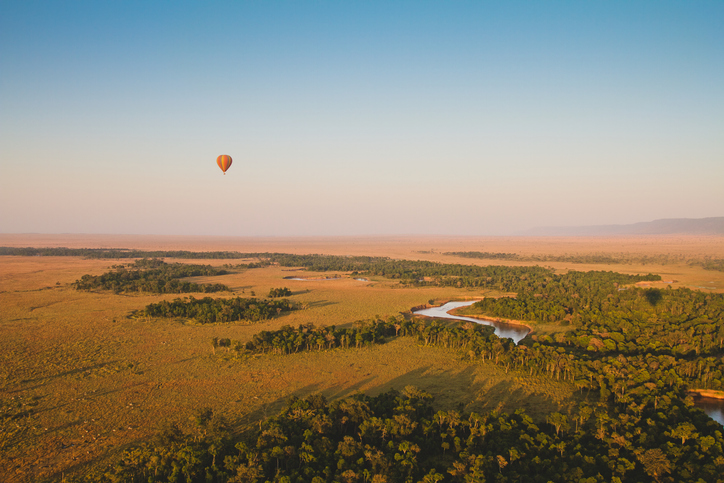
Hot Air Balloon Safari: Drifting silently over the plains as the sun rises is a truly magical experience, capped off with a champagne breakfast wherever you land.
Guided Bush Walks: Available only in the conservancies, this is a chance to get out of the vehicle and learn about the smaller things- tracks, plants, and insects- from a knowledgeable guide.
Night Drives: Another conservancy exclusive. Head out after dark with spotlights to search for nocturnal creatures like genets, porcupines, bushbabies, and maybe even a hunting leopard.
Cultural Visits: A visit to a local Maasai village can be a fascinating experience. The best way to do this is through your lodge, which can arrange a respectful and authentic interaction that directly benefits the community you’re visiting.
Practical Tips for Your Masai Mara Safari
A Typical Day: Days start early with a wake-up call before sunrise, a quick coffee, and out on a game drive. You'll return to camp for a big lunch and a siesta during the heat of the day, before heading out again for an afternoon drive that often includes a 'sundowner' drink in the bush.
What to Pack for Masai Mara: Pack light and in soft-sided bags. Bring neutral-coloured clothing (khaki, green, brown) in layers. You'll need warm layers like a fleece or jacket for chilly mornings and evenings. Don’t forget a sun hat, sunglasses, sunscreen, good binoculars, and your camera.
Health & Malaria: The Masai Mara is a malaria area. Consult your doctor or a travel clinic well before your trip about malaria prophylaxis and any other recommended vaccinations. Always use insect repellent, especially at dawn and dusk.
Connectivity: Most camps have Wi-Fi in the main areas, but it can be slow and unreliable. It’s best to embrace the opportunity to disconnect.
How Many Nights?: To do the Mara justice, plan for a minimum of three nights. Four or five nights is even better, as it allows you to explore more and gives you a higher chance of seeing incredible action without feeling rushed.
How to Choose: The Reserve or a Conservancy?
This is the final, crucial question in the Masai Mara conservancies vs reserve debate. Here’s a simple breakdown:
The Main Reserve is for you if... you're on a tighter budget, it’s your first safari and you want to see the vast, iconic landscapes, or your main goal is to be near a major river crossing point. Just be prepared for company.
A Private Conservancy is for you if... you value exclusivity, want to avoid crowds, are a keen photographer who will appreciate off-roading, or you dream of doing bush walks and night drives. It's the perfect choice for a honeymoon or a special-occasion trip where privacy and a deeper experience are priorities.
Masai Mara Safari: Your Questions Answered
How many days do I need in the Masai Mara?
We recommend a minimum of 3 nights, but 4 or 5 nights is ideal. This gives you time to settle in, explore different areas, and increase your chances of witnessing something truly special without rushing.
Is the Masai Mara a malaria area?
Yes, it is. It's essential to consult your doctor about antimalarial medication before you travel and to use mosquito repellent while you're there, especially around sunrise and sunset.
When is the best chance to see a river crossing?
Your best odds are from late July through September. However, it's a natural and unpredictable event. There are no guarantees, and patience is key.
Is the Masai Mara good for a first-time safari?
Absolutely. In fact, it's one of the best and most rewarding safari destinations in the world for a first-timer. The sheer density of wildlife all but guarantees an incredible and life-changing experience.