A Guide to Mara North Conservancy: The Maasai Mara's Exclusive Edge
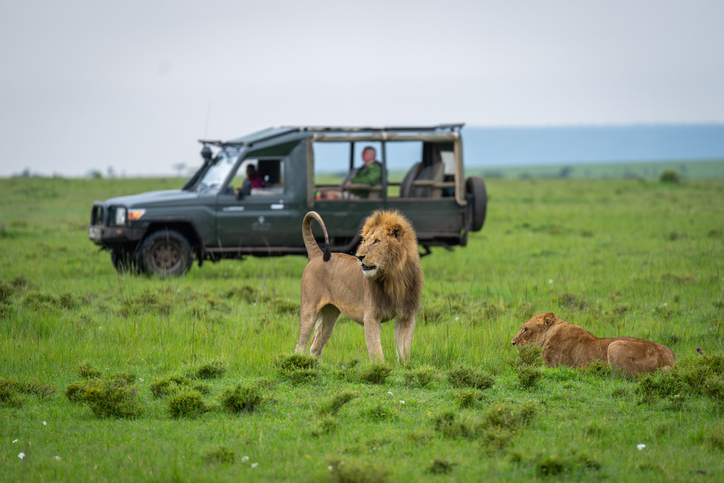
Discover what sets Mara North Conservancy apart from the main Maasai Mara Reserve. Learn about its exclusive safari experience, incredible wildlife, and commitment to conservation.
Quick facts
- Size: 300 km² (74,000 acres)
- Established: 2009
- Altitude: ~1,600m on average
- Biome: Savanna & Riverine Forest
- Best Time: Jul-Oct & Jan-Mar
- Nearest Airstrip: Mara North Airstrip
- Access: By light aircraft
- Key Activities: Night drives, walking, off-road
An Introduction to Mara North Conservancy
When people talk about a Maasai Mara safari, they are usually picturing the vast plains of the National Reserve. But bordering this famous park is a collection of community-owned lands that offer a completely different, and some would argue better, way to experience this incredible ecosystem. Leading this charge is the Mara North Conservancy.
Think of it as the Maasai Mara’s exclusive neighbour. Formed in 2009, it’s a partnership between over 800 Maasai landowners and a handful of select safari camps. The landowners lease their property to the conservancy, which in turn guarantees them a stable monthly income. This innovative model creates a protected buffer zone for wildlife, directly benefits the local community, and provides a quiet, high-quality safari for a limited number of guests. It’s a win for wildlife, a win for the community, and a huge win for anyone lucky enough to visit.
What Makes Mara North Conservancy Unique
So, what really sets this place apart? It’s not just about being next to the Maasai Mara- it’s about a fundamentally different approach to safari. As one of the pioneering private conservancies in the Maasai Mara, it has perfected a model that many others now follow.
The key is the limited number of camps and lodges within its 74,000 acres. This partnership creates exceptionally low vehicle density. In practice, this means you often have major wildlife sightings all to yourself. There is no jostling for position with a dozen other minibuses when a leopard is spotted. Instead, your guide can switch off the engine, letting you simply sit and watch the scene unfold- a true luxury.
This exclusivity also allows for more flexible safari rules. Unlike in the National Reserve, guides in the Mara North Conservancy are often permitted to drive off-road for significant sightings. This lets you get much closer to the action and find better angles for photography. The focus here is on the quality of the sighting, not just ticking a box. This commitment to conservation and community is the foundation of the entire experience. Knowing your visit directly supports local families and protects this vital habitat adds a depth to your safari that’s hard to quantify.
Wildlife in Mara North Conservancy
The wildlife in Mara North Conservancy is nothing short of spectacular. Because there are no fences between it and the main reserve, animals roam freely across the entire ecosystem. The area is a permanent home to a fantastic density of resident wildlife, so you’re assured of great game viewing year-round.
The big cat viewing is a real highlight. I’ve had some of my most memorable leopard sightings along the tree-lined banks of the Mara River, which flows through the conservancy. It's also home to several well-known lion prides, and the open plains are perfect hunting grounds for cheetah. It's not uncommon to spend a whole morning tracking a coalition of cheetah brothers as they patrol their territory.
Beyond the predators, large herds of elephants move through the acacia woodlands, and the area is rich with giraffes, zebras, and a variety of antelope. From July to October, the conservancy plays a crucial role in the Great Migration. While the most famous river crossings happen in the reserve, vast herds of wildebeest and zebra pour into Mara North to graze on its nutritious grasses, creating a landscape alive with movement. Because of the low visitor numbers, you can experience this natural wonder in relative peace.
The Safari Experience in Mara North
A safari here is calm, patient, and deeply immersive. The rhythm is dictated by the animals, not a rigid schedule. Your days are built around classic game drives, but with a twist.
Game Drives- Day and Night
Morning and afternoon drives are the core of the experience. With fewer vehicles around, guides are more in tune with the environment, tracking animals through footprints and alarm calls. The real game-changer, however, is the ability to go on night drives. This is strictly forbidden in the National Reserve. Under the filter of a spotlight, a whole new world awakens. Suddenly you’re looking for the glowing eyes of a bush-baby, the stealthy silhouette of a leopard, or the strange and wonderful aardvark- animals you’d never see during the day.
Walking Safaris
Another activity unique to the conservancies is the walking safari. Accompanied by an armed guide and a Maasai tracker, you leave the vehicle behind and experience the bush on foot. It’s not about covering long distances or finding big game. It’s about the small things- learning about medicinal plants, identifying animal tracks, and feeling the incredible vulnerability and connection that comes from standing on the same ground as a giraffe or elephant. It recalibrates your senses completely.
Mara North Conservancy vs Maasai Mara National Reserve
Choosing between Mara North and the National Reserve is a common question. Here’s a practical breakdown:
Crowds: This is the biggest difference. The reserve is open to the public and can feel very crowded, especially during peak season. Mara North is private, exclusive to guests staying at its member camps, ensuring a quiet experience.
Rules: The reserve has strict rules- no off-roading, no night drives, and vehicles must return to camp by dusk. The conservancy offers off-roading for key sightings, night drives, and walking safaris, creating a more dynamic experience.
Experience: A safari in the reserve can sometimes feel like a sightseeing tour, rushing from one sighting to the next. In Mara North, it’s about patient observation and quality encounters. Many people who opt for a luxury safari in Mara North do so for this very reason.
Cost: Conservancy fees are generally higher than the reserve's park fees, and the camps are typically in the mid-to-high-end range. The price reflects the exclusivity and the direct financial contribution to the Maasai community.
A great strategy is to combine both. Spend a day in the reserve to see the famous river crossings (if timed right), then retreat to the tranquility of the conservancy for the rest of your stay.
Best Mara North Safari Lodges
The collection of Mara North safari lodges and camps is small and curated, focusing on quality over quantity. Each offers a unique style while adhering to the conservancy’s strong eco-conscious principles.
You’ll find intimate, tented camps that place you right in the heart of the bush, with canvas walls separating you from the sounds of the night. These camps are perfect for those wanting an authentic, close-to-nature feel without sacrificing comfort. For those seeking a higher level of comfort, options like Mahali Mzuri provide an exceptional luxury safari in Mara North, blending striking design with impeccable service and incredible wildlife access.
What all the best lodges here share is a commitment to top-tier guiding. The guides are a huge part of the experience, and the camps in Mara North invest heavily in training. Many guides are from the local Maasai community, bringing an unparalleled, life-long knowledge of the land.
When to Visit Mara North Conservancy
The short answer is that there isn't a bad time, just different times.
July to October (Dry Season): This is peak season, coinciding with the Great Migration. The weather is dry and mild, and the grass is short, making wildlife easier to spot. This is the best time for those wanting to see the spectacle of the migration, but it's also the busiest and most expensive time.
January to March (Dry Season): This is my personal favourite window. It’s dry and sunny, the crowds of the migration season are gone, and the resident wildlife is spectacular. It feels very wild and private.
April-May & November-December (Green Season): These are the rainy seasons. Don’t be put off by the name- the rain usually comes in short, dramatic afternoon showers, leaving the landscape incredibly green and vibrant. It’s a photographer's dream. Birding is at its best, and you’ll find fantastic value with lower rates and even fewer visitors. Just be prepared for the occasional muddy track.
Who Is Mara North Conservancy Best For?
While it can be a wonderful destination for a first-timer, Mara North truly shines for a few types of travellers:
Repeat Safari Travellers: If you’ve been on safari before and are now seeking a more exclusive and in-depth experience, this is the place.
Photographers: The ability to off-road for better angles, uncrowded sightings, and knowledgeable guides who understand light and positioning makes it a top choice.
High-End Travellers: Those seeking privacy, exclusivity, and top-notch service will find the camps and the experience in Mara North meet their standards.
Anyone Seeking a Quieter Safari: If your idea of a perfect safari is listening to the sounds of the bush without the hum of other engines, Mara North delivers.
Final Thoughts
Over the years, I've visited many of Africa’s great wilderness areas, and there's a reason I keep coming back to the Mara conservancies. Mara North, in particular, represents what I believe is the future of sustainable safari. It proves that tourism, when done thoughtfully, can be a powerful force for protecting landscapes and empowering communities.
Choosing Mara North is a vote for a better kind of travel. It’s an investment in an experience that goes beyond just seeing animals- it’s about connecting with a place and its people in a quiet, respectful, and truly unforgettable way. Many consider it one of the best conservancies in the Maasai Mara, and after a few days here, you’ll almost certainly agree.