A Guide to Lewa Wildlife Conservancy, Kenya: Where Conservation and Safari Meet
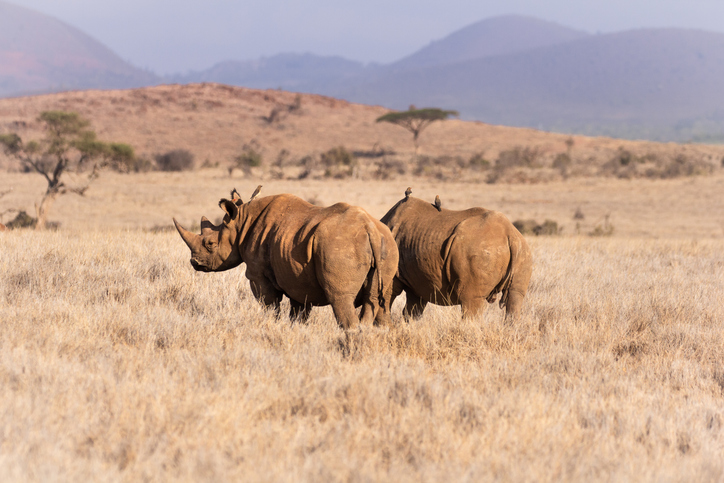
A world-renowned conservation success story, Lewa offers incredible rhino sightings, the special 'Northern Five', and safari experiences beyond the classic game drive.
Quick facts
- Size: 62,000 acres (251 km²)
- Altitude: 4,500 - 6,500 ft
- Established: 1995 (as a conservancy)
- Key Species: Black & white rhino
- Specialty: The 'Northern Five'
- Mammal Species: 70+
- Bird Species: 440+
- Best Time: Jun - Oct & Jan - Feb
- Nearest Airport: Lewa Downs Airstrip (LWA)
What Makes the Lewa Wildlife Conservancy So Special?
If you ask seasoned safari-goers about their most memorable destinations in Kenya, many will mention Lewa with a certain reverence. It’s a place that gets under your skin. Situated just north of the equator, with the dramatic peaks of Mount Kenya often visible on the horizon, Lewa feels different from the vast, open plains of the Maasai Mara. It’s more intimate, more varied, and it carries an incredible story of hope.
At its heart, Lewa is not just a place to see animals, it’s one of the world's most successful conservation projects. What began as a family cattle ranch has transformed over decades into a non-profit conservancy that has become a global model for protecting endangered species. This is a place where conservation isn't just a buzzword, it's the very fabric of the safari experience. All profits generated from tourism are reinvested directly into conservation and community development projects. When you visit Lewa, you are actively participating in its success story. This pioneering approach earned it UNESCO World Heritage status, an extension of the Mount Kenya National Park site, for its outstanding value and critical role in protecting biodiversity.
The Lewa Landscape and Its Neighbours
The scenery in Lewa is a beautiful mosaic. It’s a land of rolling acacia-dotted hills, open grasslands, riverine forests that trace the paths of luggas (seasonal rivers) and the lush swamps that form a vital oasis. This variety in habitat is precisely why the wildlife here is so diverse.
Unlike a national park, Lewa is a private conservancy. This provides a more exclusive experience with fewer vehicles, but more importantly, it allows for a holistic management approach. The conservancy works hand-in-hand with its neighbours. In 2015, the fences between Lewa and the adjacent Borana Conservancy came down, creating a single, vast 93,000-acre landscape for wildlife to roam freely. This combined area is now one of East Africa's largest and most important rhino sanctuaries.
It also serves as a crucial corridor for elephants, connecting the semi-arid northern rangelands with the forests of Mount Kenya. One of its most famous features is a specially constructed elephant underpass beneath a major highway, a testament to the forward-thinking conservation that defines this region.
Wildlife Highlights: A Sanctuary for the Rare
While you can certainly find lions, leopards, and elephants here, a safari in Lewa is really about its unique residents. It’s a chance to see rare and endangered animals thriving in a protected environment.
A Global Haven for Rhinos
Let's be clear, Lewa is arguably the best place in East Africa to see rhinos. The conservancy is a stronghold for the critically endangered black rhino and also hosts a significant population of southern white rhinos. Because of the intensive, 24/7 security and monitoring, the rhinos here are relaxed, and sightings are incredibly reliable. It’s a profoundly moving experience to spend time with these prehistoric-looking giants, knowing you’re in a place that has been instrumental in pulling them back from the brink of extinction.
The 'Northern Five'
Lewa is famous for a special group of animals uniquely adapted to the semi-arid landscapes of northern Kenya. Finding all five is a rewarding challenge and a highlight of any visit.
Grevy's Zebra: Larger than the common plains zebra, with finer, more numerous stripes that don't extend to the belly, and big, rounded 'Mickey Mouse' ears. Lewa protects over 12% of the world's remaining population of this endangered species.
Reticulated Giraffe: Easily one of the most beautiful giraffe subspecies, their coat looks like a perfectly drawn net of clean white lines over deep orange patches.
Beisa Oryx: A striking, muscular antelope with long, rapier-like horns and distinctive black-and-white facial markings.
Gerenuk: Often called the 'giraffe-necked antelope', this slender creature has an amazingly long neck and a habit of standing on its hind legs to browse on acacia leaves.
Somali Ostrich: Distinguished from its more common cousin by its blue-grey neck and legs, rather than pink.
Predators and Wild Dogs
Lewa has a healthy predator population, with lions and cheetahs seen regularly on the open plains. Leopards are more elusive, as always, but the rocky kopjes and riverine woodlands provide perfect habitat for them. What's truly special is the re-emergence of African wild dogs. These highly endangered 'painted wolves' have begun to den and hunt in Lewa again, a huge conservation success that adds an exciting and unpredictable element to any game drive.
The Lewa Safari Experience: More Than Just a Game Drive
The private conservancy model means the safari experience here is flexible and varied. It’s not just about what you see from a 4x4, it’s about how you experience the bush.
On Foot and Horseback
Walking safaris are a fantastic way to connect with the environment on a more intimate level. Led by an expert armed guide, you’ll learn to read tracks, identify medicinal plants, and appreciate the smaller wonders you’d miss from a vehicle. For an even more unique perspective, many lodges offer horseback or camel riding. Cantering alongside a herd of zebras or giraffes with an unobstructed view is a truly unforgettable feeling- the animals see you as just another creature, not a vehicle.
Behind the Scenes with Conservation
This is what really sets Lewa apart. You can visit the conservancy headquarters to learn about the tracking teams, the anti-poaching operations, and the incredible logistics involved in keeping the wildlife safe. You can also engage with the community projects that Lewa supports, visiting local schools or healthcare clinics that have been funded by tourism revenue. It provides a powerful context for your safari, connecting you to the place and its people.
When is the Best Time to Visit Lewa?
Lewa offers a great safari experience year-round, but the best time depends on your priorities. Its high altitude means comfortable temperatures, with warm days and cool nights, so you'll never face extreme heat.
The Dry Seasons (June - October & January - February)
This is classic safari season and generally considered the best time for wildlife viewing. The vegetation is thinner, making animals easier to spot, and they tend to congregate around the swamps and rivers, leading to more concentrated action. The weather is sunny and dry with very little rain, making it ideal for walking and other activities.
The Green Seasons (March - May & November - December)
Don't discount the rainy seasons. The 'long rains' from March to May and 'short rains' in November transform the landscape into a lush, green paradise. This is the time for newborn animals and spectacular birdwatching, as migratory species arrive. The light is softer, which is fantastic for photography. You'll also find fewer visitors and often lower rates. While a downpour might interrupt an activity, they usually pass quickly, leaving fresh, dust-free air in their wake.
Practical Tips for Your Lewa Safari
Getting to Lewa is straightforward. Most visitors fly from Wilson Airport in Nairobi directly to the Lewa Downs Airstrip (LWA), which is served by daily scheduled flights. The flight itself is scenic, offering views of the Aberdare mountains and Mount Kenya.
Accommodation in and around Lewa ranges from exclusive, world-class luxury lodges to family-owned homes and rustic tented camps, each offering a distinct feel. The common thread is a deep commitment to the conservation ethos of the region.
Packing layers is key. Early morning game drives can be quite chilly, so a warm fleece or jacket is essential. As the sun climbs, it gets warm, so you'll want a light shirt, sun hat, and sunscreen. Comfortable walking shoes are a must if you plan on exploring on foot. Lewa is more than a destination, it's an inspiration, a place that proves that with passion and partnership, tourism can be a powerful force for good.