A Guide to Laikipia Plateau: Kenya's Conservation Heartland
Discover Kenya's Laikipia Plateau, a mosaic of private conservancies known for rhinos, conservation innovation, and unique safari activities beyond the classic game drive.
Quick facts
- Size: 9,500 sq km (Ecosystem)
- Altitude: 1,500m – 2,600m
- Nearest Airport: Nanyuki Airport (NYK)
- Best Time: Jul–Oct & Dec–Mar
- Key Wildlife: Rhinos, Grevy's Zebra
- Northern Five: Grevy's Zebra, Oryx, Gerenuk
- Bird Species: 500+ species
- Known For: Private Conservancies
- Highlights: Star Beds, Conservation
A Different Kind of Kenyan Safari
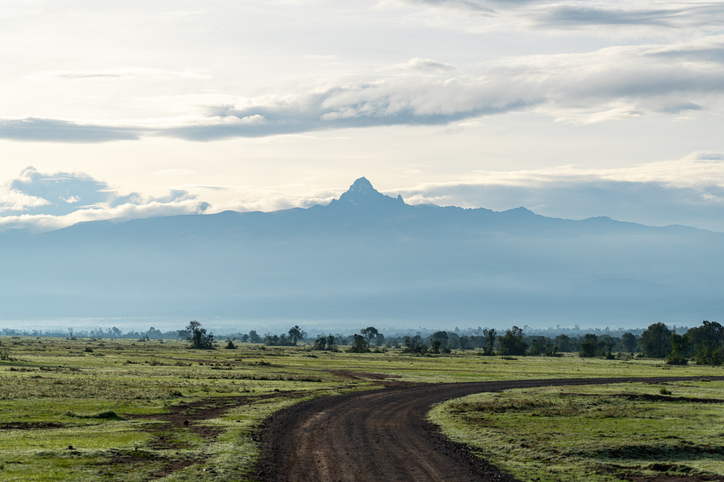
When you picture a Kenyan safari, you might think of the vast, open plains of the Maasai Mara. And while the Mara is truly magnificent, there’s another region, sitting right on the equator with Mount Kenya as its dramatic backdrop, that offers a completely different and deeply rewarding experience- the Laikipia Plateau.
Laikipia isn't a national park. Instead, it’s a patchwork of community lands, ranches, and private conservancies all working together for a common goal- conservation. This is grassroots conservation in action, a pioneering model where tourism directly funds the protection of wildlife and the support of local communities. What this means for you, as a visitor, is a safari that feels more exclusive, more varied, and more impactful. It’s a place where you can get off the beaten track, quite literally, and connect with the wild heart of Kenya in a very personal way.
What Makes Laikipia So Special?
Imagine a landscape that shifts from grassy plains to acacia woodland, broken by rocky kopjes and riverine forests. Laikipia is vast and varied, acting as a critical wildlife corridor between the forests of Mount Kenya and the arid lands of Samburu to the north. This variety in habitat supports an incredible diversity of wildlife.
But the real magic of Laikipia lies in its conservation model. Because the land is privately managed, the lodges and camps here have more flexibility than those in national parks. This allows for an amazing range of activities that go far beyond the standard game drive. It also means that conservation isn't just a talking point- it's the very reason these places exist. You're not just a tourist- you're a participant in one of Africa's greatest conservation success stories.
Laikipia’s Crown Jewels: Key Conservancies and Reserves
The plateau is made up of several key areas, each with its own character and focus. While there are many, a few stand out as must-know destinations within the region.
Ol Pejeta Conservancy
Perhaps the most famous of Laikipia's conservancies, Ol Pejeta is a beacon of conservation. It’s the largest black rhino sanctuary in East Africa and, famously, home to the last two northern white rhinos on the planet, Najin and Fatu. Seeing them is a powerful, humbling experience. Ol Pejeta also has a wonderful chimpanzee sanctuary- the only one in Kenya- and offers a fantastic, all-round safari experience with reliable sightings of the Big Five. It's accessible and offers a perfect introduction to the Laikipia ethos.
Lewa Wildlife Conservancy
A UNESCO World Heritage Site, Lewa is a true pioneer. It was one of the first private ranches in Kenya to fully embrace wildlife conservation. Today, it’s a world-renowned success story, particularly for its work protecting both black and white rhinos and the endangered Grevy's zebra. The conservancy is now part of a larger, fenceless landscape connected to the neighbouring Borana Conservancy, creating a massive, safe habitat for wildlife to roam. The lodges here are generally in the high-end category, offering exceptional service and guiding.
Solio Game Reserve
If you are passionate about rhinos, Solio is unmissable. This is the oldest private rhino sanctuary in Kenya, and it boasts an incredible density of wildlife. Tucked away in a valley between Mount Kenya and the Aberdare Mountains, driving through Solio can feel like stepping back in time. It is probably the best place in the world to see large numbers of white rhinos, and black rhinos are also frequently spotted. It’s a small reserve that packs a mighty punch.
Loisaba Conservancy
Loisaba is all about space and stunning views. The conservancy is known for its dramatic escarpments, open plains, and the Ewaso Ng'iro and Narok rivers that flow through it. Beyond excellent game viewing, Loisaba is famous for its unique accommodation, particularly its Star Beds. Imagine being wheeled out onto a platform in your open-air suite to sleep safely under a blanket of brilliant African stars- it’s an experience that stays with you forever.
The Wildlife of Laikipia: More Than Just the Big Five
While you can certainly find lion, leopard, elephant, buffalo, and rhino here, Laikipia’s wildlife viewing is celebrated for its unique species, some of which are hard to find elsewhere.
The Northern Five
This is Laikipia’s special checklist, a group of animals uniquely adapted to the semi-arid conditions north of the equator. Keep your eyes peeled for:
Grevy's Zebra: Larger than the common plains zebra, with narrower, more numerous stripes that don’t extend to the belly.
Reticulated Giraffe: Their coats have a beautiful, net-like pattern of clean, sharp-edged brown patches.
Beisa Oryx: A striking, robust antelope with long, straight horns and distinctive black-and-white face markings.
Gerenuk: Known as the “giraffe-necked antelope,” this amazing creature often stands on its hind legs to browse on bushes.
Somali Ostrich: The males are distinguished by their blue-grey necks and legs, which turn a brighter blue during mating season.
A Haven for Rhinos and Wild Dogs
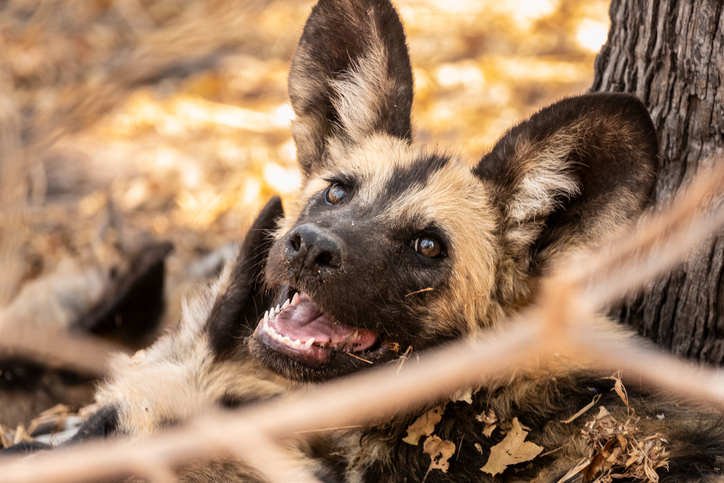
Laikipia is arguably the most important region for rhino conservation in Kenya and maybe all of East Africa. The joint efforts of conservancies like Ol Pejeta, Lewa, and Solio have created a secure stronghold for both black and white rhino populations. Furthermore, Laikipia is one of the best places in Kenya to see the highly endangered African wild dog. These painted wolves travel huge distances, and the network of conservancies provides them with the space they need to thrive.
The Elusive Black Leopard
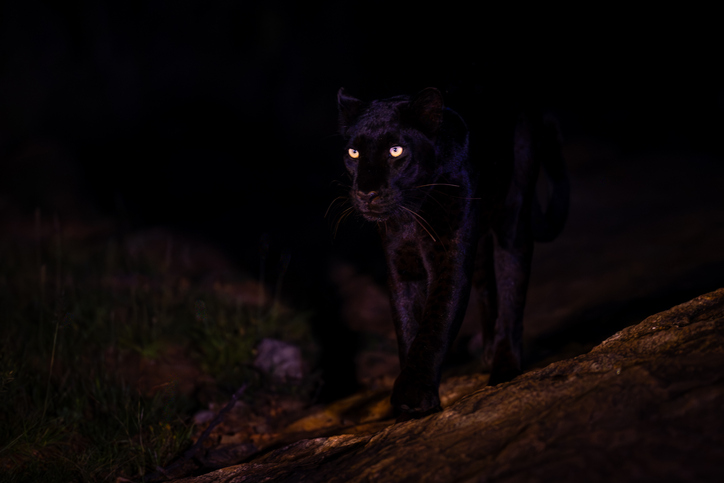
You may have heard whispers or seen incredible photos online. Laikipia has become world-famous as one of the few places in Africa where you have a realistic, albeit slim, chance of seeing a melanistic leopard. Often called a "black panther," this isn't a separate species. It's a regular leopard with a gene that causes its coat to produce an excess of black pigment, making it appear solid black. If you look closely in the right light, you can still see the faint rosette patterns beneath the dark fur. I have actually had the chance to spot one of these elusive cats myself. Such an amazing experience.
For years, these cats were more legend than fact, but recent camera trap footage and consistent sightings, particularly in the areas around Loisaba Conservancy, have confirmed their presence. This has turned Laikipia into a bit of a holy grail destination for dedicated wildlife enthusiasts.
Now, it's important to be realistic. Spotting any leopard is a treat, and spotting a black leopard is an incredible stroke of luck. It is a true once-in-a-lifetime event. But knowing that they are out there, silently moving through the acacia scrub, adds an extra layer of magic and mystery to every game drive, especially those after dark. It’s just one more secret that makes the wilds of Laikipia so exceptionally special.
Beyond the Game Drive: Unique Safari Styles
This is where Laikipia truly shines. The flexibility of the private conservancies opens up a world of adventure that immerses you in the landscape.
Walking Safaris: There's nothing quite like leaving the vehicle behind and tracking wildlife on foot with an expert guide. You notice the small things- the tracks, the sounds, the smells of the bush.
Horseback and Camel Safaris: Canter alongside a herd of zebra or ride a camel through the bush led by a Samburu warrior. This allows for a quiet, intimate way to approach wildlife without the sound of an engine.
Night Drives: Prohibited in national parks, night drives are a regular activity here. With a powerful spotlight, your guide can reveal the world of nocturnal creatures like leopards, genets, and bushbabies.
Fly Camping and Star Beds: For the truly adventurous, fly camping involves a simple tent in a private spot in the bush with a campfire and a guide. For a more luxurious version, the Star Beds at places like Loisaba offer an unforgettable night under the cosmos.
Conservation in Action: Many lodges offer opportunities to engage with their conservation work, whether it’s visiting the anti-poaching dog kennels at Ol Pejeta or learning about community health clinics funded by tourism at Lewa.
When is the Best Time to Visit Laikipia?
Like most of Kenya, Laikipia follows a pattern of dry and wet seasons. Honestly, there isn’t a bad time to go, as each season offers something different.
The main dry seasons are from July to October and from December to March. This is classic safari time. The weather is pleasant, and the sparse vegetation and reliance on waterholes make wildlife easier to spot. This is considered peak season, so lodges are busier and prices are higher.
The “long rains” arrive in April and May, and the “short rains” in November. Don't be put off by the term “rainy season.” It rarely rains all day. Instead, you get afternoon showers that clear the air and transform the landscape into a lush, green paradise. This period is a photographer’s dream, with dramatic skies, vibrant colours, and lots of baby animals. It’s also fantastic for birdwatching, and you’ll find fewer crowds and better rates.
Getting to Laikipia
Laikipia is easily accessible. The main gateway is Nanyuki Airport (NYK), which receives multiple daily scheduled flights from Wilson Airport (WIL) in Nairobi. From Nanyuki, it’s usually a short drive or a quick charter flight to your specific lodge or conservancy. The convenience makes it easy to combine a Laikipia safari with other destinations like the Maasai Mara or the Kenyan coast.
For a safari that gives back, one that offers adventure and variety alongside exceptional wildlife viewing, Laikipia is hard to beat. It’s a place that will capture your imagination and show you the powerful, positive impact that thoughtful travel can have.