Choose the Right Safari Lodge in Nyerere National Park (selous)
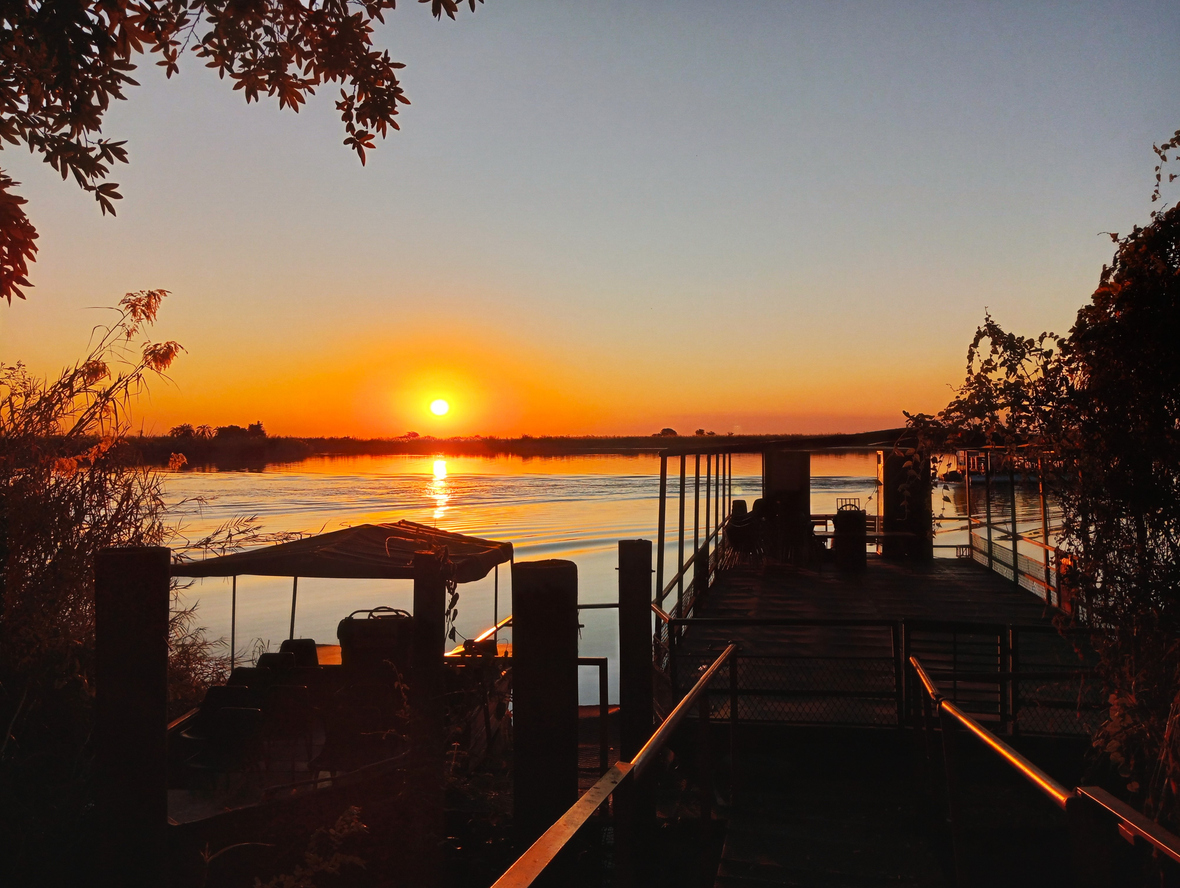
Discover Africa's wild heart in Nyerere National Park. This guide covers its unique river safaris, incredible wildlife, and the best time to visit this vast wilderness.
Quick facts
- Size: 30,893 km² (11,928 mi²)
- Established as NP: 2019
- Key Feature: Rufiji River
- Bird Species: 440+
- Best Time to Visit: June – October
- Primary Activity: Boat Safaris
- Getting There: Fly-in from Dar/Zanzibar
- Famous For: Wild Dog Population
Why Lodge Choice Matters So Much in Nyerere
Choosing a safari lodge in Nyerere National Park is not simply about finding somewhere comfortable to sleep between game drives. In many ways, the lodge itself becomes part of the safari experience. The atmosphere of the camp, the guiding style, the location along the Rufiji River or deeper inland, and even the pace of daily life all shape how the safari feels emotionally.
This is particularly true in Nyerere because the destination itself is still relatively wild and low-density compared to places like the Serengeti or Maasai Mara. Camps are often smaller, more spread out and more individual in personality. Two lodges with similar pricing can deliver completely different experiences.
One may focus on polished luxury, private plunge pools and elevated comfort. Another may feel more intimate and authentic, placing greater emphasis on guiding, walking safaris and wilderness immersion. Neither is necessarily better. The key is understanding what kind of safari traveller you are before making a decision.
Many people searching for the best lodges in Nyerere National Park focus heavily on room photos and amenities. While these matter, they rarely determine whether a safari becomes memorable. In reality, the quality of guiding, atmosphere and location often matter far more than the size of a suite or the design of a bathroom.
Understanding the Different Types of Nyerere Safari Lodges
One of the reasons Nyerere accommodation can feel confusing is because the camps are not built around one single safari model. Some properties are deeply rooted in classic East African safari traditions. Others lean more toward contemporary luxury tourism.
Classic safari camps tend to attract experienced safari travellers and returning Africa visitors. These camps usually focus on atmosphere rather than overt luxury. The rooms may be elegant but understated, often blending naturally into the surrounding landscape. The experience itself becomes the priority. Guides know the ecosystem intimately, activities feel flexible rather than heavily scheduled, and the camp often develops a personality of its own.
Properties like Beho Beho or Sand Rivers by Nomad are good examples of this style. They are luxurious, but not in a flashy way. The luxury comes from exclusivity, guiding quality, privacy and immersion in nature rather than marble finishes or overly polished aesthetics.
Modern luxury lodges, on the other hand, focus more heavily on comfort and refinement. They often appeal strongly to honeymooners, first-time safari travellers or guests combining safari with high-end beach stays in Zanzibar. These lodges may offer larger suites, plunge pools, spa-style bathrooms and highly structured service. Serena Mivumo River Lodge fits more naturally into this category.
Understanding this distinction is essential because it helps travellers avoid choosing a camp that looks beautiful online but does not actually fit their expectations for the safari itself.
Riverfront Lodges vs Inland Camps
Location within Nyerere plays a major role in the overall safari experience. Many of the most well-known camps are positioned along the Rufiji River system, while others sit further inland in quieter bush environments.
Riverfront camps often create a more visually dramatic atmosphere. The river becomes part of daily life. Hippos vocalise through the night, elephants cross channels near camp, and boat safaris depart directly from the lodge. Even when guests are not out on activities, there is a constant sense of movement and wildlife around camp itself.
For many travellers, this creates the classic romantic image of a southern Tanzania safari.
Inland camps feel different. They are often quieter, more remote and more focused on traditional bush immersion. The absence of the river sometimes creates a stronger sense of wilderness because the landscape feels more untouched and isolated. These camps can work particularly well for experienced safari travellers or photographers who care more about atmosphere and wildlife flexibility than scenery alone.
Neither approach is automatically superior. Some travellers fall in love with the river. Others prefer the deeper silence of inland camps.
Luxury Means Different Things in Nyerere
One of the most important things to understand when researching a Nyerere safari lodge is that luxury is not always defined in the same way.
Some camps focus on what could be called “polished luxury.” These lodges emphasise comfort, architecture, refined service and visual perfection. Rooms are immaculate, schedules run smoothly and the experience feels carefully curated from beginning to end.
Other camps offer what many experienced safari travellers describe as “authentic safari luxury.” Here, the luxury comes from feeling deeply connected to the wilderness itself. You may hear lions at night through canvas walls. Rooms may intentionally remain open to the environment. Dinners may be lit by lanterns rather than elaborate lighting systems.
This style of luxury is often harder to explain in photographs because it is based more on feeling than appearance.
Interestingly, many repeat Africa travellers eventually begin preferring authentic safari luxury over polished luxury because it creates stronger emotional memories. Camps like Sand Rivers and Beho Beho are often admired for exactly this reason.
Choosing the Right Lodge for Your Safari Style
The best safari camp in Nyerere for one traveller may be completely wrong for another.
First-time safari visitors often benefit from camps that combine strong guiding with comfort and smoother logistics. Long rough transfers, highly remote locations and very flexible safari structures can sometimes feel overwhelming for guests unfamiliar with safari travel.
Experienced safari travellers often move in the opposite direction. They begin prioritising guiding quality, atmosphere and remoteness over comfort alone. Many seasoned Africa travellers actively seek smaller camps with fewer guests and more flexibility around activities.
Photographers also tend to value different things compared to general safari travellers. A photographer may care less about suite size and far more about guide quality, vehicle positioning and flexibility at sightings. Some camps naturally work better for photography because they operate with fewer vehicles and longer, less rushed safari schedules.
Honeymooners often prioritise privacy, romance and atmosphere. Riverfront suites, outdoor showers and intimate dining setups can matter just as much as wildlife viewing itself.
Families need something entirely different. Room configurations, activity pacing and child friendliness suddenly become central to the decision.
This is why choosing a safari lodge should never simply come down to star ratings or online reviews. The experience is deeply personal.
Why Guiding Quality Changes Everything
One of the biggest mistakes travellers make is underestimating the importance of guiding.
A beautiful lodge with weak guiding will almost always produce a less memorable safari than a simpler camp with exceptional guides. Great guides do far more than find animals. They interpret behaviour, read changing conditions, understand light, position vehicles properly and create emotional connection between guests and the environment.
In destinations like Nyerere, guiding becomes even more important because the ecosystem feels more open and less predictable than northern Tanzania. Some of the best camps in the region have guides who have spent decades working within the Selous ecosystem and understand its rhythms intimately.
This is often the hidden factor separating average camps from exceptional ones.
Understanding Safari Pricing in Nyerere
Safari pricing in southern Tanzania can initially seem confusing because two camps may appear similar online while costing vastly different amounts.
The difference usually comes down to operational depth rather than visible luxury alone. Ultra-luxury camps often maintain very high staff-to-guest ratios, more experienced guides, stronger safari logistics and greater exclusivity. Many are also significantly more expensive to operate due to their remoteness.
At the same time, mid-range camps in Nyerere can offer remarkably strong safari experiences for the price. In fact, some travellers deliberately choose mid-range camps because they would rather spend longer in the bush than allocate their entire budget toward luxury accommodation.
This is where personal travel style matters more than labels.
Common Mistakes When Choosing a Nyerere Safari Lodge
Perhaps the most common mistake is choosing a lodge based almost entirely on visuals. Modern safari marketing is extremely polished, and nearly every property looks beautiful online. What images rarely communicate is atmosphere.
Some camps feel alive with personality and wilderness energy. Others feel more like isolated luxury hotels placed inside a safari destination.
Another mistake is underestimating transfer times and logistics. Nyerere is vast, and accessibility can vary significantly between camps. A slightly cheaper lodge may involve more complicated transfers that ultimately reduce overall safari enjoyment.
Many travellers also try to fit Nyerere into schedules that are too short. This destination rewards slower travel. Unlike more checklist-driven safari destinations, Nyerere works best when travellers have time to settle into the rhythm of the bush.
Final Thoughts
Choosing the right lodge in Nyerere National Park is ultimately about understanding what kind of safari experience you want to have.
Some travellers want polished comfort and highly refined luxury. Others want authenticity, storytelling guides and the feeling of being deeply immersed in the African wilderness. Some want romance and river views. Others care most about photography or walking safaris.
The beauty of Nyerere is that it can offer all of these experiences, but not usually within the same camp.
The best safari lodge in Nyerere is therefore not necessarily the most expensive or the most famous. It is the one whose atmosphere, philosophy and safari style align most naturally with the traveller choosing it.
Frequently Asked Questions
When is the best time to visit Nyerere National Park?
The dry season, from June to October, is generally considered the best time for wildlife viewing in Nyerere. Animals congregate around permanent water sources, making them easier to spot. The park is also accessible during the green season, which offers lush landscapes and migratory birds.
How much does a safari lodge typically cost in Nyerere National Park?
Safari lodge costs in the park vary widely based on luxury level, inclusiveness, and time of year. Budget options might start from a few hundred dollars per person per night, while luxury lodges can be several thousand. This usually includes accommodation, meals, and safari activities.
What kind of wildlife can I expect to see in this Tanzanian park?
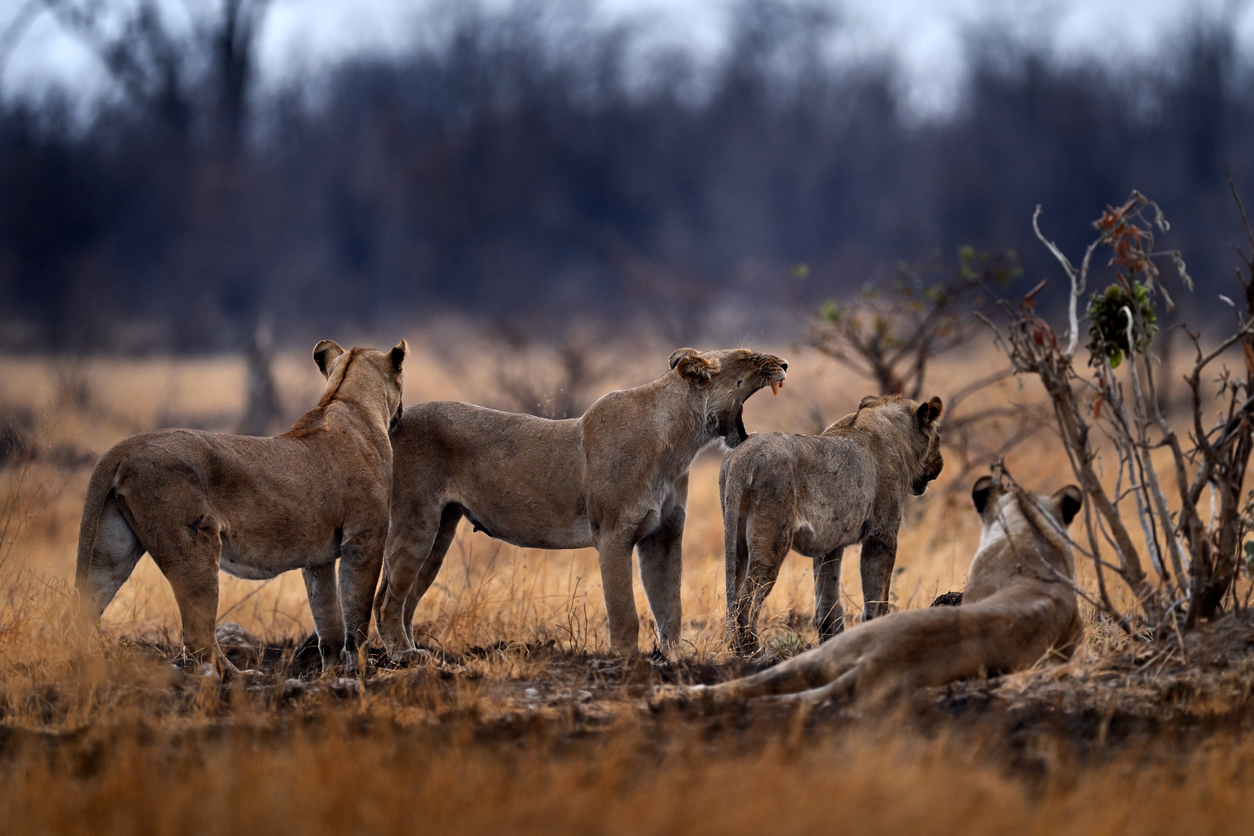
Nyerere National Park is renowned for its large populations of elephants, buffalo, and hippos. You can also frequently spot lions, leopards, and wild dogs, which are a highlight. The Rufiji River area is excellent for birdwatching and crocodiles.
How do you get to safari lodges within Nyerere National Park?
Most visitors fly into various airstrips located within or near the park from Dar es Salaam or Zanzibar. Lodges typically arrange transfers from these airstrips as part of your safari package. Road transfers are also possible but take significantly longer.
Are there family-friendly safari lodges in Nyerere National Park?
Yes, several lodges in Nyerere cater specifically to families, offering amenities like family suites, children's activities, and dedicated guides. It is advisable to inquire about minimum age restrictions, as some activities may not be suitable for very young children. Always confirm family-specific policies when booking.
What should one pack for a safari stay in southeastern Tanzania?
For a safari, pack light, breathable clothing in neutral colors, along with a wide-brimmed hat, sunglasses, and high-quality insect repellent. Don't forget a camera with extra batteries, binoculars, and any personal medications. A light jacket or fleece is recommended for cooler evenings.