Wildlife Photography on Safari: Tips, Gear & the Best Lodges
Master the art of wildlife photography on your next African safari. From essential camera gear to expert techniques and the best lodges for photography, here's everything you need to capture stunning shots.
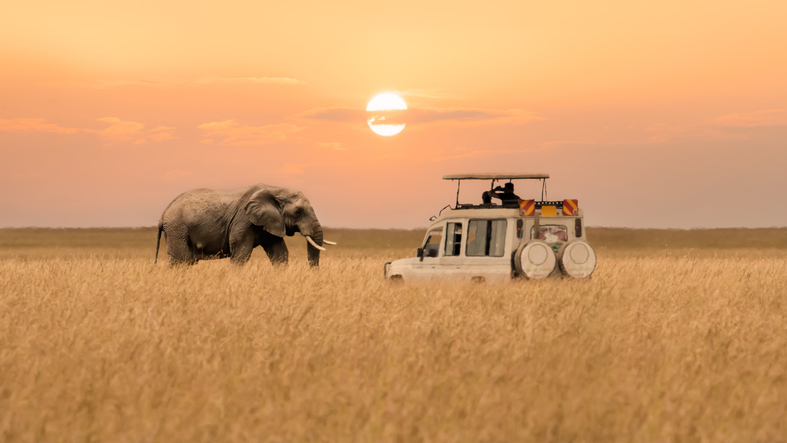
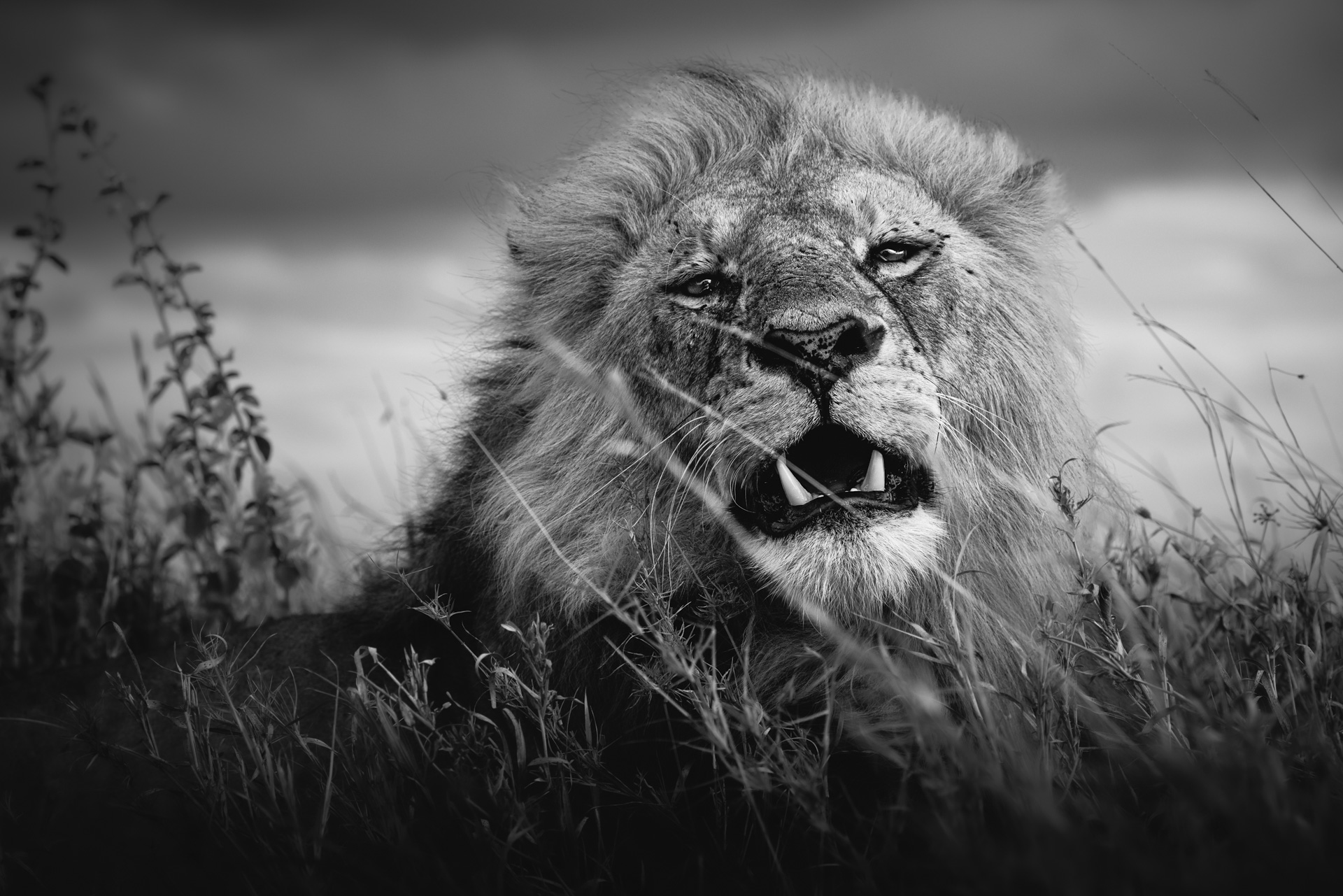
There's something profoundly thrilling about freezing a fleeting moment in the African bush. A leopard mid-leap, a herd of elephants silhouetted against a fiery sunset, or the intense gaze of a lion just metres from your vehicle. Wildlife photography on safari is an art form that combines patience, preparation, and a deep appreciation for the natural world. Whether you're a seasoned photographer or picking up a camera for the first time, the right approach and the right safari lodge can transform your images from snapshots into extraordinary works of art. Johan Siggesson, a professional fine art wildlife photographer is sharing his knowledge with us.
Essential Camera Gear for Safari
Before you even board the plane, getting your gear right is crucial. Here's what experienced safari photographers recommend:
Telephoto Lens (200-600mm): This is your workhorse. A long zoom lets you capture intimate close-ups of wildlife without disturbing them.
Wide-Angle Lens (16-35mm): Don't neglect landscapes and potential animal close-ups. The African sky, sweeping savannah, and your safari lodge surroundings all deserve dramatic wide shots.
Camera Body with Fast Autofocus: Animals move quickly. A camera body with reliable, fast autofocus tracking and good burst-rate shooting (at least 7-10 fps) is essential.
Sturdy Bean Bag or Window Mount: Tripods are impractical in safari vehicles. A bean bag draped over the vehicle door provides excellent stability.
Extra Batteries & Memory Cards: Power outlets can be limited at remote safari lodges. Carry at least 4-5 fully charged batteries and plenty of high-speed memory cards.
Dust Protection: The African bush is dusty. Use a rain cover or protective sleeve for your camera, and always carry a lens cloth and blower.
Mastering Safari Photography Techniques
Great safari images aren't just about expensive equipment. Technique matters enormously:
Shoot in Golden Hours: The first and last hours of daylight produce the warmest, most dramatic light. Most game drives coincide with these times. Make sure you take full advantage.
Focus on the Eyes: A wildlife portrait lives or dies by the sharpness of the eyes. Always prioritise eye focus, using single-point autofocus for precision. Newer and more advanced cameras also have dedicated eye focus tracking that can be set to track animal eyes.
Tell a Story: Rather than only photographing an animal standing still, wait for interesting behaviour. Maybe a hunt, a tender moment between mother and calf, or a dramatic interaction.
Use Burst Mode: When action unfolds, hold down that shutter. You can select the best frame later, but you can never recreate the moment.
Compose Thoughtfully: Apply the rule of thirds, leave space in the direction the animal is looking or moving, and use the environment to frame your subject.
Why Your Safari Lodge Matters for Photography
The lodge you choose has a massive impact on the quality of your wildlife photography:
Low Vehicle Density: Fewer vehicles around a sighting means better angles, less dust, and more natural animal behaviour. Some safari lodges operate in private concessions where vehicle numbers are strictly limited.
Expert Guides Who Understand Photography: A guide who knows to position the vehicle with the light behind you, keep the engine off, and wait patiently is invaluable. Although rare, some lodges even have dedicated photography guides. A dedicated photographic safari is also an option.
Flexible Game Drive Schedules: The best photography lodges allow you to stay out longer, skip, or bring meals, or depart earlier to catch rare lighting conditions.
Specialised Photography Vehicles: Some lodges offer modified vehicles with lower sides, rotating seats, and camera mounts designed specifically for photographers.
Namiri Plains: A Photographer's Paradise in the Serengeti
For serious wildlife photographers, few destinations rival Asilia Namiri Plains in the eastern Serengeti. This remote and exclusive safari lodge sits in an area that was closed to tourism for nearly two decades, allowing wildlife populations, particularly big cats, to flourish undisturbed.
What makes Namiri Plains exceptional for photography:
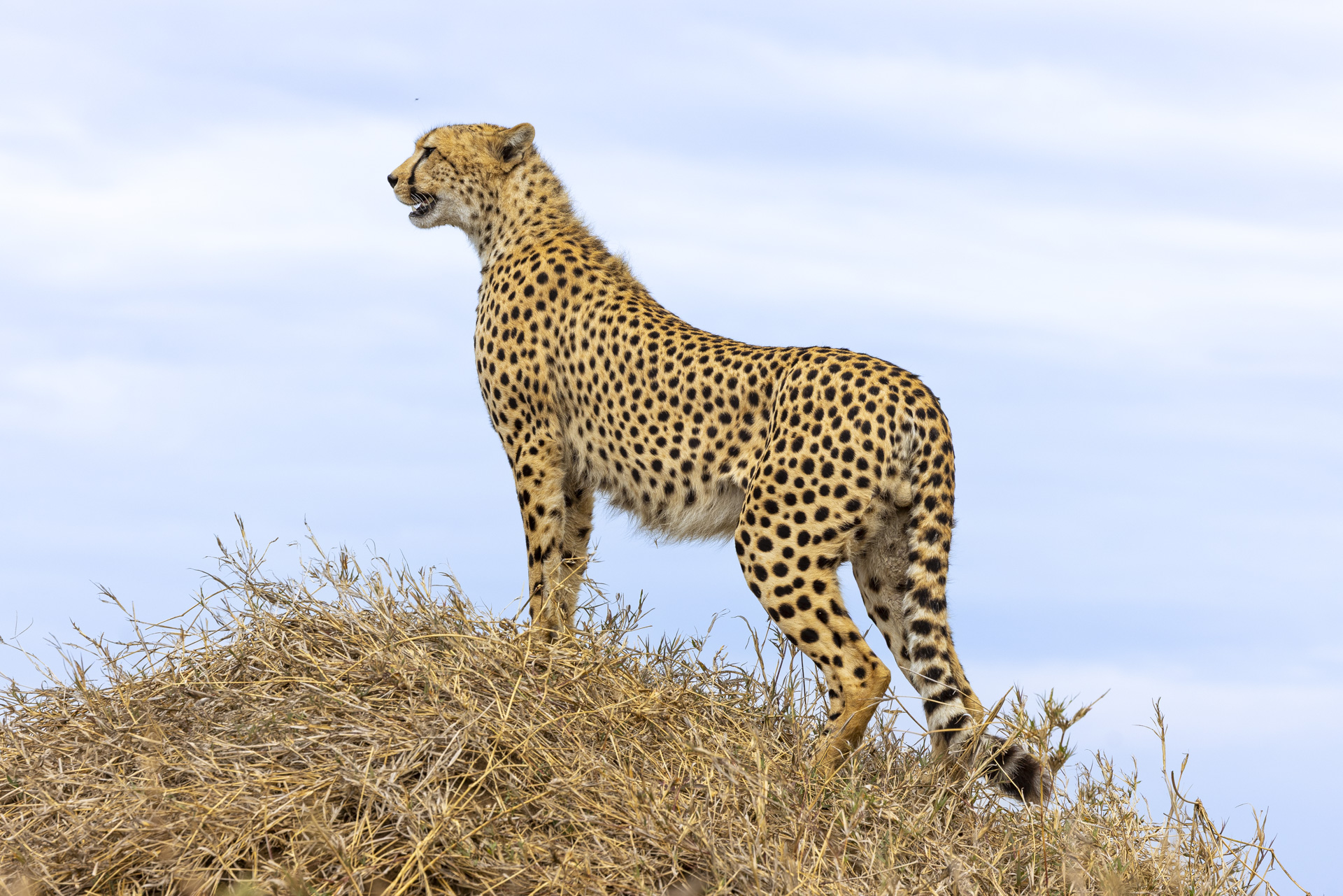
Unrivalled Big Cat Sightings: The eastern Serengeti is renowned as one of Africa's premier locations for lion and cheetah photography. The open plains provide clean backgrounds and unobstructed views.
Very Few Vehicles: Operating in a remote concession means you'll often have extraordinary sightings entirely to yourself. That is a photographer's dream.
Knowledgeable Guides: Namiri Plains' guides are deeply familiar with the resident prides and coalitions, helping you anticipate behaviour and position yourself perfectly.
Stunning Landscape: The vast, golden plains dotted with rocky kopjes create a dramatic canvas that elevates every image.
Whether you're capturing a cheetah sprint across the open grassland or a pride of lions resting atop a kopje at sunrise, Namiri Plains delivers moments that define a photographer's portfolio.
Post-Safari: Editing and Sharing Your Images
Shoot in RAW: Maximum flexibility in editing exposure, white balance, and detail recovery.
Be Selective: From thousands of shots, curate ruthlessly. A portfolio of 20 stunning images tells a better story than 200 average ones.
Subtle Editing: Enhance, don't transform. Adjust contrast, sharpen selectively, and crop for stronger composition.
Back Up Everything: Use multiple hard drives or cloud storage. Safari images are irreplaceable.
Wildlife photography on safari is a deeply rewarding pursuit that combines adventure, artistry, and a connection to nature unlike any other. With the right preparation, gear, techniques, and, crucially, the right safari lodge, you'll return home with images that capture not only what you saw, but how it made you feel.