A Guide's Advice on Tipping in Kenya and Tanzania
Wondering how to handle tipping on your East African safari? Get a safari guide's practical advice on how much to tip, what currency to use, and proper etiquette.
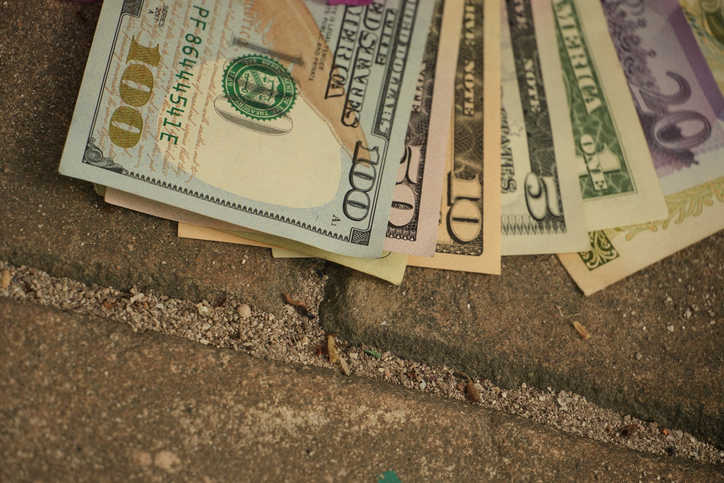
It’s one of the first questions I get asked, right after “Will we see a leopard?” Tipping. For many travellers, it’s a source of low-grade anxiety. Americans are used to a strong tipping culture, while many Europeans find it a bit foreign. It can feel awkward, confusing, and you certainly don’t want the last memory of a life-changing trip to be fumbling with envelopes and cash, wondering if you’ve done the right thing.
I’ve spent countless seasons guiding and managing camps from the vast plains of the Serengeti to the rolling hills of the Masai Mara. I’ve seen the relief on guests' faces when they get clear, simple advice. So let’s clear it up. Think of this as a conversation with your guide before you even pack your bags- a practical, no-nonsense look at how to handle gratuities with grace and appreciation.
Your Quick Guide to Safari Tipping
For a standard safari, a good rule of thumb is to tip your guide $10-$15 USD per person, per day. For lodge and camp staff, use the central tip box and contribute $10-$20 USD per person, per day. It’s best to tip in local currency or crisp, new US dollar bills.
Is Tipping Really Expected in Kenya and Tanzania?
Let's be direct: yes, tipping is customary and deeply appreciated. While it isn’t mandatory in the strictest sense (no one is going to chase you down the airstrip) it has become an integral part of the safari economy. For many guides, trackers, and camp staff, gratuities make up a significant portion of their income.
It’s important to understand that this isn’t like tipping a barista back home. The team at a safari lodge works incredibly hard, often for months on end away from their families, to make your experience seamless. From the guard who keeps you safe at night to the chef who prepares delicious meals in a remote kitchen, they are all part of the magic. A tip is a direct way to show your gratitude for their dedication and skill. It’s a personal thank you that goes a long way in rural economies.
How Much to Tip: A Practical Breakdown
The amounts can vary based on the level of luxury, the size of your group, and the quality of your experience. These are generally accepted guidelines for good service at most safari lodges and camps in Kenya or Tanzania.
Your Safari Guide and/or Tracker
Guideline: $10 - $15 USD per person per day.
Your guide is the single most important person for your safari experience. They are your wildlife interpreter, your driver on challenging roads, your teacher, and your host. I’ve seen guides spend hours patiently tracking a lion pride during the Great Migration season just to give their guests that perfect photo. They’re up before dawn preparing the vehicle and often finish late. A generous tip for an excellent guide is money well spent.
Lodge and Camp Staff
Guideline: $10 - $20 USD per person per day.
Almost every safari lodge, from a rustic tented camp in the Selous Game Reserve to a luxury property in the Ngorongoro Conservation Area, will have a communal staff tip box. This is the fairest way to thank the entire team. Your tip will be shared among the housekeeping staff, kitchen crew, waiters, groundskeepers, and security (askaris). Please don't tip these individuals separately. The tip box ensures everyone, including the unseen heroes, gets a share.
Specialist Guides and One-Off Services
Guideline: $5 - $10 USD per person.
If you do a specific activity with a different guide, like a walking safari, a village visit, or a night game drive, it’s appropriate to tip that person directly at the end of the activity. The same goes for porters at airports or hotels and drivers for short city transfers- a few dollars or the local equivalent is always appreciated.
The Currency Question: USD vs. Shillings
This is where things can get tricky, but my advice is simple: local currency is best, but clean US dollars are a close second.
Why You Should Tip in Local Currency
I always recommend tipping in Kenyan Shillings (KES) or Tanzanian Shillings (TZS) if you can. Why? Because it’s practical for the recipient. If you give a guide $100 USD, they then have to find time to travel to a town with a forex bureau and exchange it, often losing a percentage in the transaction. Giving shillings is giving them cash they can use immediately for school fees, groceries, or sending money home to their family. You can withdraw shillings from ATMs at the major airports like Jomo Kenyatta International (NBO) in Nairobi or Kilimanjaro International (JRO) near Arusha.
Using US Dollars: The Golden Rule
US dollars are the most widely accepted foreign currency. If you choose to tip in USD, there is one non-negotiable rule you must follow.
Your bills must be crisp, clean, and printed in 2009 or later.
I cannot stress this enough. Banks in Kenya and Tanzania will not accept US dollars that are torn, written on, heavily creased, or from an older series. I have seen the disappointment on a staff member's face when they are given a tip they cannot use. An old or damaged bill is literally just a piece of paper to them. It creates a burden, as they then have to ask another tourist to swap it for a new one. Before you leave home, go to your bank and ask for new bills. It’s a small effort that makes a huge difference.
What About Euros or British Pounds?
While better than nothing, EUR and GBP are less ideal. They are not as easily exchanged as USD, and the recipient will likely get a less favourable rate. If you're coming from Europe, it's better to either exchange your money for new USD before you travel or plan to withdraw local currency upon arrival.
Safari Tipping Etiquette: The How and When
Knowing when and how to give the tip can save a lot of awkwardness.
Tipping Your Guide: The best time to tip your guide is at the very end of your time together. This might be at the airstrip as you’re about to fly to your next camp, or on your last morning as you say your final goodbyes. Placing the cash in an envelope is a nice touch, and a personal thank-you note means the world.
Tipping Camp Staff: For the general camp staff, you'll use the communal tip box. This is usually located at the reception or manager’s office. Simply pop your envelope in when you are settling your bill and checking out of the lodge.
Group Tipping: If you're travelling in a family or group, it's a good idea to discuss tips beforehand and pool your money. One person can be responsible for collecting the funds and handing over the envelopes. It simplifies the process for everyone.
Frequently Asked Questions About Safari Tipping
Here are answers to a few more common questions I hear around the campfire.
Should I tip on an all-inclusive safari?
Yes. The term “all-inclusive” on safari typically covers your accommodation, meals, drinks, and standard activities. It almost never includes staff gratuities. You should plan on tipping just as you would at any other lodge.
What if the service wasn't very good?
Tipping is a reward for good service. In the rare event you have a genuinely poor experience with a guide or at a lodge, the first step should be to speak with the camp manager. They will want to know and will try to rectify the situation. Withholding a tip is a very strong statement, so it should be reserved for cases where service was truly unacceptable.
Is it better to tip individuals or use the communal box?
Always use the communal box for general staff. Tipping a waiter or housekeeper directly can cause friction among the team. The only person you should tip directly and separately is your personal safari guide who has been with you for several days.
Can I tip with my credit card?
This is very rare. Most safari camps, especially the more remote ones, are not set up to process credit card tips and distribute them as cash to staff. Plan on bringing enough cash for all your tipping needs.
Tipping doesn't have to be a source of stress. See it as the final, happy chapter of your safari story- a way of expressing gratitude for the people who made your journey unforgettable. As you plan your dream trip to incredible destinations like the Masai Mara National Reserve or the world-renowned Serengeti National Park, this advice will help ensure a smooth, gracious, and respectful end to your adventure. Happy travels!