Serengeti vs Masai Mara: How to Choose Your Perfect Safari
It's the ultimate safari showdown. We break down the key differences between the Serengeti and the Masai Mara to help you decide which iconic destination is right for you.
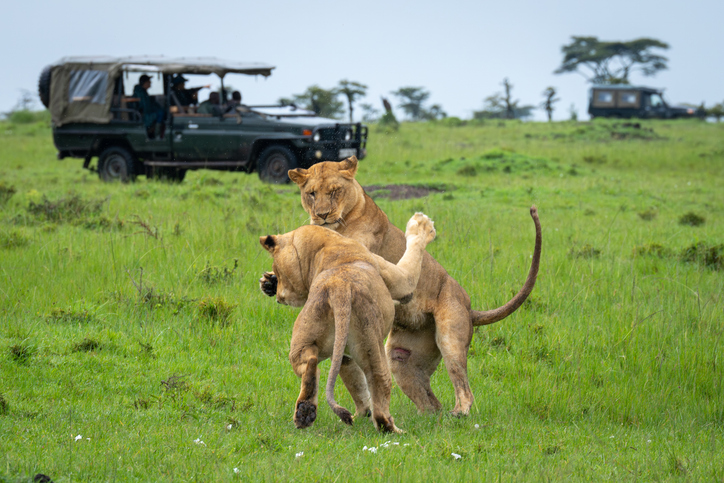
It’s one of the first, and biggest, questions that comes up when you start planning an East African safari: Should I go to the Serengeti or the Masai Mara? It feels like a massive decision, and in many ways, it is. Both are legendary names, whispered with a sense of reverence by anyone who loves wildlife. They are the heartlands of the safari experience, promising vast plains, incredible animal encounters, and memories that last a lifetime.
So, how do you possibly choose between them? Well, I’m here to help you with that. The good news is, there’s no wrong answer. Both are spectacular. The better news is that they are different enough that one will likely suit your personal travel style, budget, and wish list a little better than the other. Let's break it down, not as a competition, but as a friendly guide to help you find your perfect fit.
One Ecosystem, Two Countries
First, the most important thing to understand is that the Serengeti and the Masai Mara aren't really separate places in the eyes of the animals. They are two parts of one enormous, cross-border ecosystem. The Serengeti National Park is in Tanzania, and the Masai Mara National Reserve is its northern extension in Kenya. There are no fences between them. The wildlife, especially the huge herds of the Great Migration, wander freely across the invisible political line.
Think of it like one giant house with a line drawn through the middle. The animals use the whole house, but as a visitor, your experience depends on which side of the line you’re standing on. The rules, the landscape, and the overall feel can be quite different.
Size and Scale: Endless Plains vs. Concentrated Action
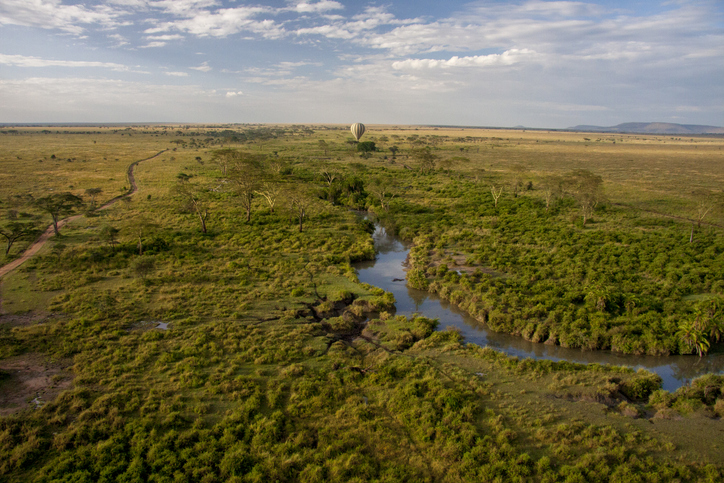
This is perhaps the most significant practical difference between the two. The Serengeti is immense- truly, properly vast. At around 14,750 square kilometres (5,700 square miles), you can drive for hours and feel like you have the entire continent to yourself. Its name, derived from the Maasai word 'siringet', means "the place where the land runs on forever". It’s a description you’ll understand deep in your bones when you’re there.
The Serengeti experience: The sheer scale means safaris here are often about the journey. You might spend more time in the vehicle covering ground between sightings, but the feeling of limitless space and solitude is a powerful part of its magic.
The Masai Mara National Reserve, by contrast, is much smaller and more compact at about 1,510 square kilometres (580 square miles). This isn’t a drawback- it’s a feature. The smaller area, combined with a very high density of animals, means you often don't have to travel far between incredible sightings.
The Masai Mara experience: Things feel more immediate here. It's a landscape of rolling hills and open savanna that delivers consistent, action-packed game drives. It’s an ideal choice if you have less time and want to maximise your wildlife encounters.
The Great Migration: A Question of Timing
The Great Migration is the main event for many visitors. Over 1.5 million wildebeest, accompanied by hundreds of thousands of zebras and gazelles, sweep across the ecosystem in a constant search for fresh grass and water. Choosing where to go often comes down to *when* you want to travel.
The Serengeti's Year-Round Show
Because of its size, the Serengeti hosts the herds for most of the year. The migration here is a continuous, cyclical drama.
January-March: The herds are in the southern Serengeti for the calving season. This is an incredible time to visit, with thousands of baby wildebeest being born each day, which naturally attracts a lot of predator action. A stay at a lodge in the Southern Serengeti is unforgettable during this time.
April-June: The herds begin their long trek north and west, moving through the Serengeti's central and western corridors.
July-October: The herds reach the northern Serengeti, where the famous and dramatic Mara River crossings into Kenya occur. This is peak season, and the action is intense.
The Masai Mara's Peak Season Spectacle
The Masai Mara gets the migration for a shorter, but incredibly dramatic, window. The herds are typically in the Mara from late July through October.
July-October: This is when the Mara truly shines. The reserve is packed with the migrant herds, and the river crossings are the star attraction. Every game drive is filled with immense numbers of animals. If your dream is to see a river crossing, a lodge in the Masai Mara during these months is your best bet.
November-June: Even outside of migration season, the Mara has fantastic resident wildlife and is an excellent year-round destination. You just won't see the massive herds.
Wildlife Viewing: Density vs. Diversity
You will see incredible wildlife in both parks, including the Big Five- lion, leopard, elephant, buffalo, and rhino. However, there are subtle differences.
The Masai Mara is world-famous for its predator density. In particular, it has one of the highest concentrations of lions in Africa. You are almost guaranteed to see lions, and often in large prides. Cheetahs are also very at home on the open plains, and leopard sightings are common in the riverine woodlands. It is also one of the more reliable places in East Africa to spot the critically endangered black rhino.
The Serengeti's vastness means its wildlife is more spread out, but this can lead to more private and intimate sightings. The central Seronera Valley is a hotspot for big cats, but exploring the quieter corners of the park rewards you with unique encounters. The sheer number of animals is staggering- not just the migration but also the resident populations. You’ll see hyena clans, jackals, and a fantastic diversity of antelope species. The landscape of kopjes- granite outcrops dotting the plains- are perfect hideouts for lions and leopards.
Crowds, Costs, and Exclusivity
Let's be practical. The popularity of both destinations means they can get busy, especially during peak season (June-October).
The Masai Mara National Reserve itself can feel crowded, with many vehicles congregating at sightings, especially at river crossings. However, Kenya has a fantastic system of private conservancies bordering the main reserve. These conservancies, owned by Maasai communities, offer a more exclusive experience. Lodges here, like those in Naboisho or Olare Motorogi, allow activities not permitted in the main reserve, such as off-road driving for special sightings, night drives, and guided walking safaris. You’ll find fewer crowds and a more intimate connection with the wild.
The Serengeti National Park is so large that it absorbs crowds well, outside of the central Seronera area. To find true exclusivity, you can book a lodge located in one of the private concession areas within the park itself. Much like the Mara's conservancies, these concessions offer a more private safari with fewer vehicles and greater flexibility for activities. Generally speaking, a safari in the Serengeti can be more expensive due to higher park fees, distances involved, and the logistics of operating lodges in such a remote, vast area.
So, Serengeti or Masai Mara- Which Is for You?
There is no 'winner'. The best choice is a personal one. Here's a quick summary to help you decide:
Choose the Masai Mara if:
You are short on time and want a concentrated, action-packed safari.
Your main goal is to see a high density of big cats, especially lions.
You are travelling between July and October and dream of seeing a river crossing.
You want the exclusive experience of a private conservancy with activities like night drives and walking safaris.
You might be looking for a slightly more budget-friendly option (though luxury is readily available).
Choose the Serengeti if:
You crave a sense of immense space, scale, and solitude.
You want to follow the Great Migration outside of the July-October window, particularly for the magical calving season (Jan-Mar).
You have a bit more time to explore and appreciate the journey.
The idea of staying in a classic tented camp on the endless plains is your ultimate dream.
Your budget allows for a potentially higher cost for a truly epic adventure.
Ultimately, both parks deliver on their promise. They are the settings for some of Earth's greatest wildlife spectacles. Whether you choose the rolling hills of the Mara or the endless plains of the Serengeti, you are stepping into a world that will capture your imagination and stay with you forever. And if you really can’t decide? A cross-border safari visiting both is an incredible, once-in-a-lifetime journey.