How to See Cheetahs on Safari in Kenya and Tanzania
Planning an African safari? Discover where to find cheetahs in Kenya and Tanzania, the best times to see them, and practical tips from years of experience to improve your chances of witnessing one of Africa's most remarkable predators.
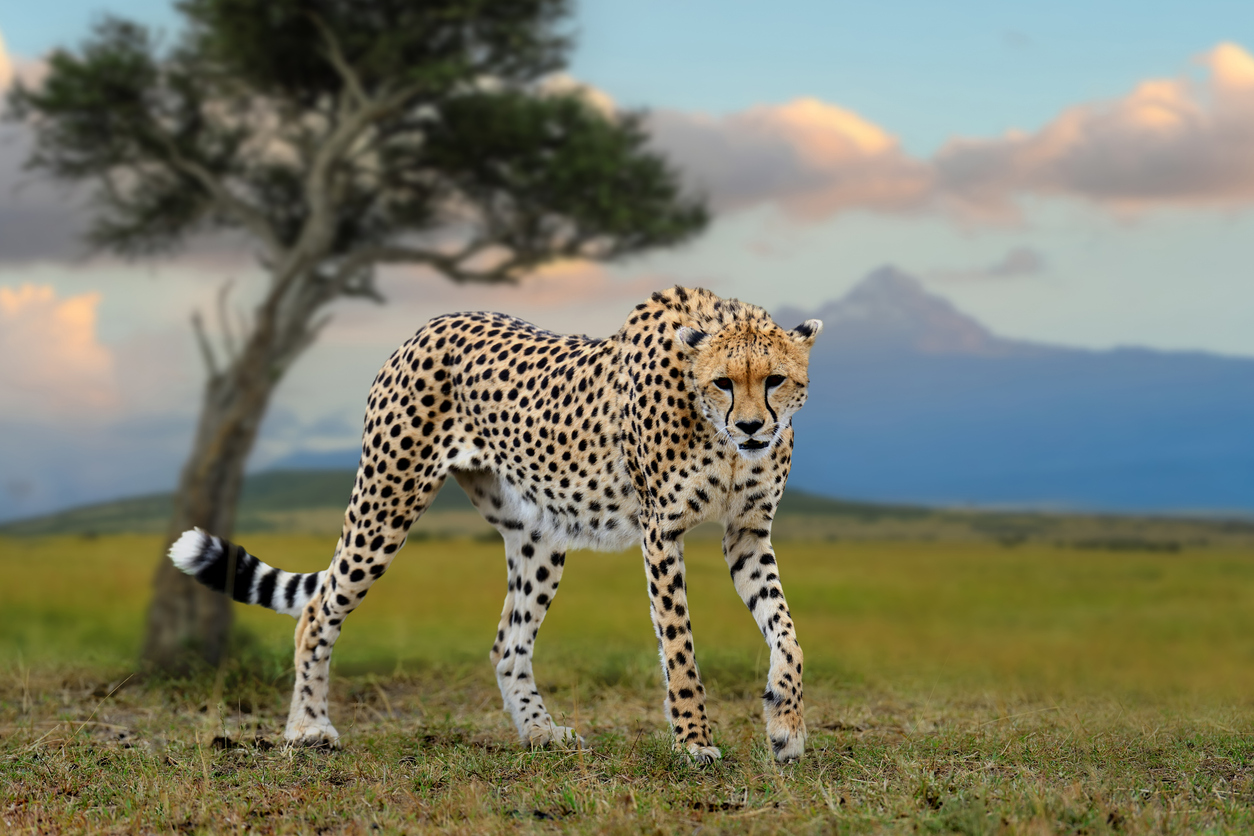
Of all the big cats you can encounter on an East African safari, the cheetah is the one that tends to catch people off guard. Not because they are so rare, but because a sighting feels so different from finding a lion or leopard. There is no shady acacia tree to scan, no rocky koppie to inspect. Cheetahs live in the open, which sounds like it should make them easier to find. But the savannah is a whole lot of space, and a cheetah blends in more than you would expect.
I have spent time in the Masai Mara, Amboseli, Ngorongoro and the Serengeti and other places, and every cheetah sighting has felt like a gift. Here is what I have learned about improving your chances.
Where to Find Cheetahs in Kenya and Tanzania
The Masai Mara is probably the best place in Kenya to see cheetahs. The open grasslands are ideal cheetah habitat, and there are several well-known resident coalitions that guides track regularly. The Mara Triangle in particular tends to produce good cheetah sightings because it is less congested with vehicles, which means the cats are less disturbed and more likely to be active.
In Tanzania, the Serengeti is the gold standard. The southern and central Serengeti plains around Ndutu are fantastic from January through March, when the wildebeest calving brings an abundance of prey. The short grass makes it easier to spot cheetahs on the move, and the calving season means hunting activity ramps up considerably. If you are staying near Seronera in the central Serengeti, resident cheetahs are spotted there year-round.
Ngorongoro Crater also has a small cheetah population, though the dense grass on the crater floor can make sightings harder. That said, when you do find a cheetah in the crater, the scenery is extraordinary.
Amboseli in Kenya is worth mentioning too. The wide open plains with Kilimanjaro as a backdrop create perfect conditions, and cheetah sightings there have become increasingly reliable over the years.
What Time of Day Is Best for Cheetah Sightings
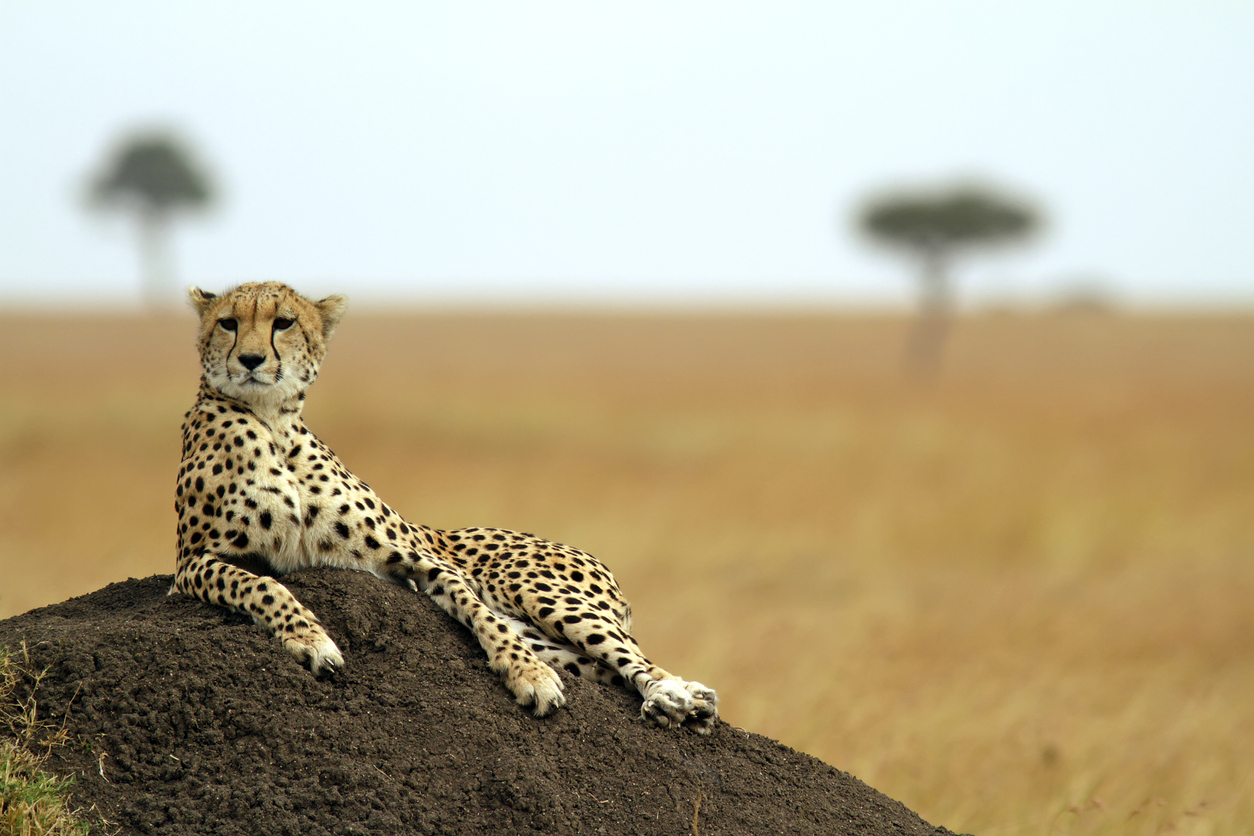
This one matters a lot. Cheetahs are diurnal, meaning they hunt during the day, unlike lions and leopards that prefer dawn and dusk or full darkness. The best windows are early morning (right after the gates open) and late afternoon before sunset. Midday is when cheetahs tend to rest after a morning hunt, often up on a termite mound scanning for threats.
Your guide will know to check the high ground. A cheetah sitting on top of a termite mound is one of the most iconic safari images you can witness, and it is also a practical hunting behaviour since they use the elevation to spot prey from a distance.
How Your Guide Makes a Difference
I cannot overstate how much the quality of your guide matters for a cheetah sighting. Experienced guides communicate with each other via radio, and when a cheetah is spotted, word spreads fast across the vehicles in the area. Being with a camp that employs well-connected, experienced guides means you are plugged into that network.
Ask your guide directly when you arrive. Tell them seeing a cheetah is high on your list. Good guides will structure your drives accordingly, heading to open grassland areas in the early morning and avoiding the dense bush corridors where lions and buffalo hang out but cheetahs generally do not.
What to Expect From the Sighting Itself
A cheetah sighting is usually one of three things: a cat resting on a termite mound, a cat stalking through the grass, or (if you are very lucky) a full chase. The chase is breathtaking to watch. Cheetahs can reach 100 km/h in around three seconds and a hunt lasts only 20 to 30 seconds. It is over before your brain properly registers what just happened.
One thing that surprises a lot of first-time safari visitors is how vulnerable cheetahs look up close. They are slender and built purely for speed, not for fighting. They lose their kills to lions and hyenas regularly, which is why they tend to eat quickly after a successful hunt. If you are lucky enough to see one feeding, the urgency in how they eat tells that story.
Tips to Improve Your Chances
Keep your drives long. The longer you are out, the better your odds. Many camps offer a bush breakfast option where you drive out at first light and eat in the field. That extra hour at sunrise can make all the difference.
Stay patient near a sighting. If you find a resting cheetah, ask your guide if you can wait. Cheetahs often become more active as the morning cools down slightly or when prey moves closer.
Go during the dry season if possible. July through October in both Kenya and Tanzania means shorter grass, which improves visibility enormously. The Mara migration period also concentrates prey, which brings predators including cheetahs into more predictable hunting areas.
Seeing a cheetah on safari is one of those experiences that stays with you long after you are home. With the right camp, the right guide and a bit of patience, your chances are genuinely very good.