Hot Air Balloon Safaris in Kenya and Tanzania: What to Expect
A balloon safari over the Mara or Serengeti is one of Africa's most breathtaking experiences, and here's everything you need to know.
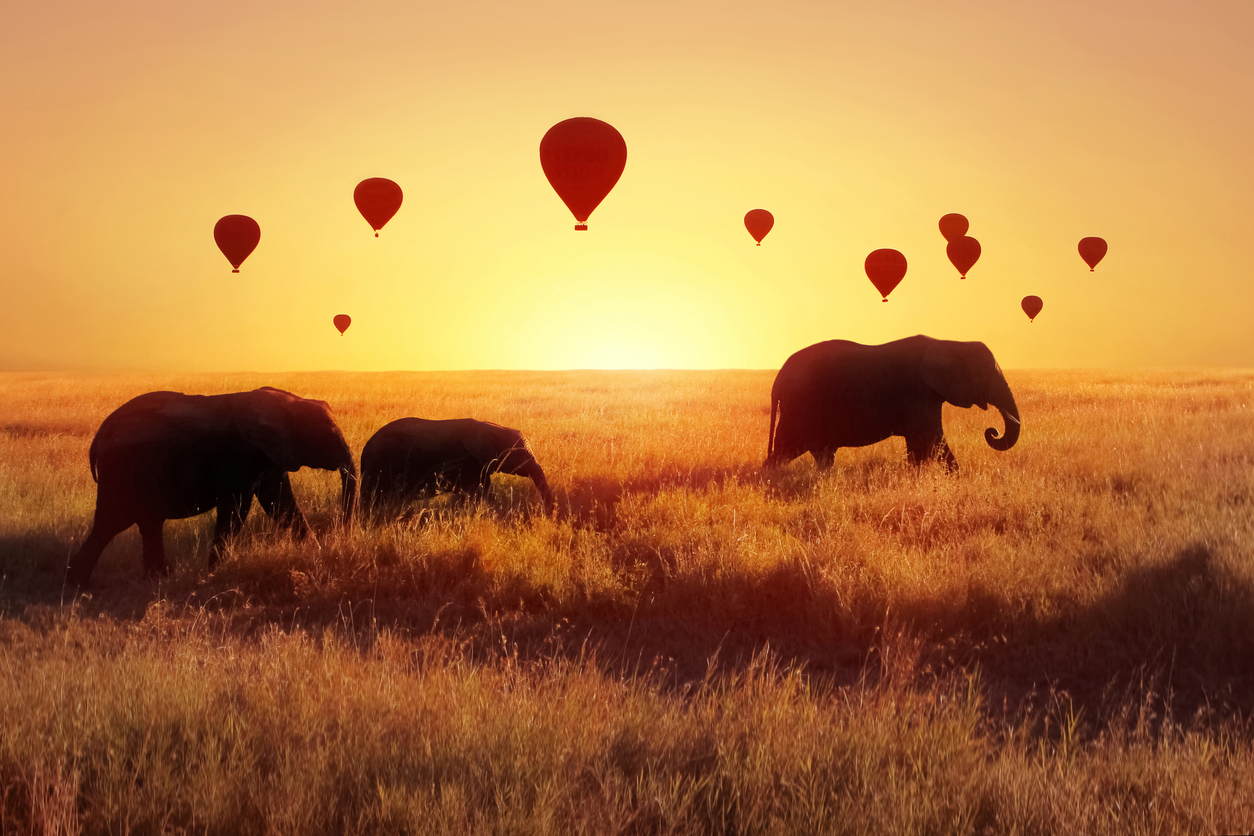
There's a moment, usually about fifteen minutes after launch, when the sun clears the horizon and the savannah below turns from grey to gold, and you realise that no photograph is going to do this justice. A hot air balloon safari is genuinely one of those experiences that lives up to its reputation, and I say that as someone who's done enough "unmissable" safari activities to be fairly sceptical going in.
If you're planning a trip to Kenya or Tanzania and wondering whether a balloon flight is worth the extra cost, the honest answer is yes, with a few caveats. Here's what you actually need to know.
How a Balloon Safari Works
Most operators run very similar logistics. You're up before dawn, typically around 5am, and transferred to the launch site in the dark. The ground crew inflates the balloon while you stand around drinking coffee and trying to wake up. By the time first light starts to show, you're climbing into the basket and lifting off.
Flights typically last about an hour, sometimes a little longer depending on wind conditions. The pilot has very limited control over direction, since you're essentially at the mercy of the wind, but experienced pilots read the air well and will nudge the balloon up or down to catch different currents. After landing, wherever that may be in the bush, a full champagne breakfast is often set up in the field. It's theatrical, it's delicious, and after an early start you'll be genuinely hungry for it.
The Best Locations for Balloon Safaris
The Masai Mara in Kenya and the Serengeti in Tanzania are by far the most popular locations, and for good reason. Both offer vast, open grasslands with high concentrations of wildlife, and the unobstructed aerial view reveals the landscape in a way that's impossible to appreciate from a vehicle.
In the Mara, the Talek and Musiara areas are particularly good for balloon flights because of their open plains and reliable wildlife visibility. If you're visiting during the Great Migration between July and October, watching thousands of wildebeest from the air is something else entirely. The columns of animals stretching to the horizon look almost surreal from above.
In the Serengeti, the central and southern areas around Seronera and the Ndutu plains are the most common launch zones. The calving season from January through March is a spectacular time to be up in the air over the southern Serengeti, when the plains are thick with newborn wildebeest and the predators that follow them.
Some operators in Amboseli also offer balloon flights, and while the wildlife density is lower, the views of Kilimanjaro on a clear morning from a balloon basket are absolutely extraordinary.
What You'll Actually See
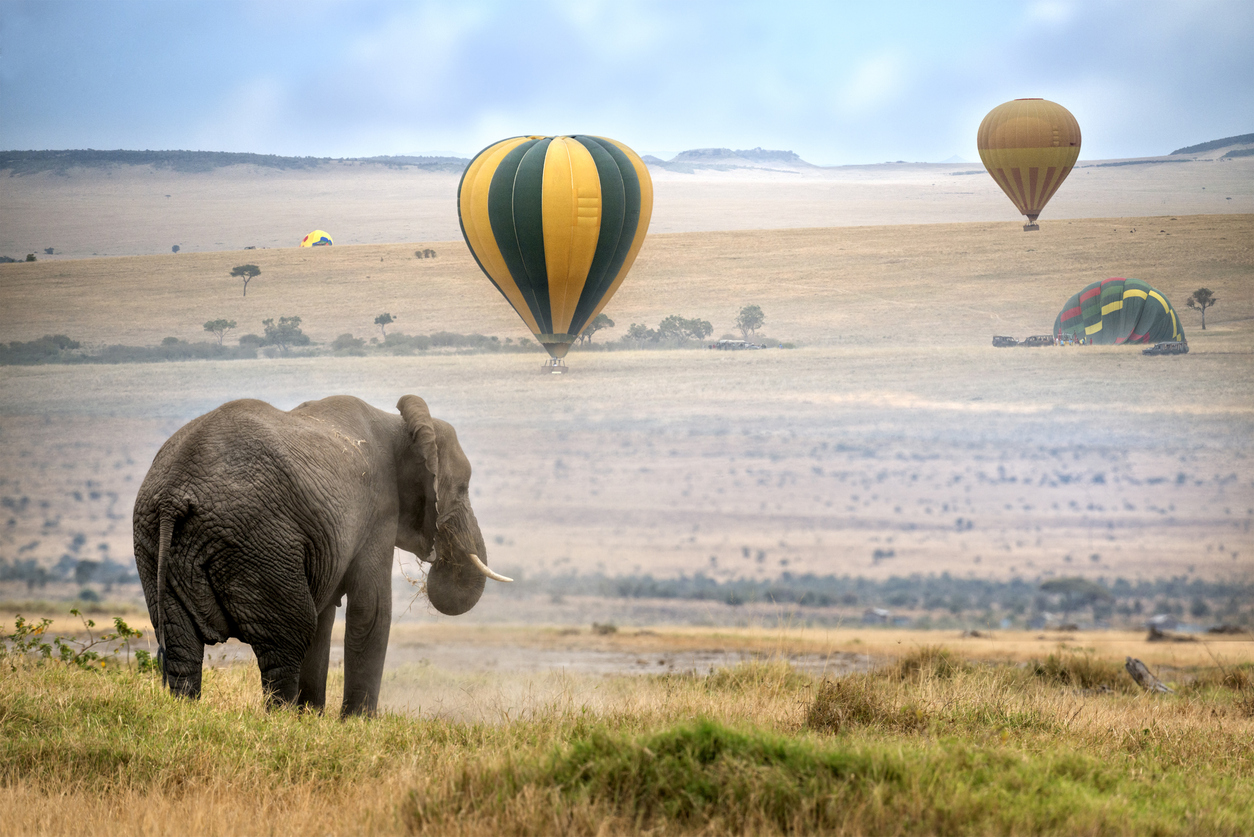
Wildlife behaviour from a balloon is different from what you observe on a game drive. Animals that would typically move away from a vehicle often ignore a balloon entirely, so you can drift over herds of elephant, giraffe, and buffalo at close range without disturbing them. Predators are a highlight. On a recent flight over the Mara, we passed low over a pair of lions that didn't even look up, which felt both humbling and slightly surreal.
The other thing people don't always anticipate is how much the landscape itself becomes the spectacle. Seeing the sinuous bends of the Mara River, the geometry of acacia groves, and the sheer scale of the plains from above reframes everything you've seen on the ground. It's a genuinely different way of understanding the ecosystem.
Practical Things to Know Before You Go
Balloon safaris are not cheap. Expect to pay somewhere between $450 and $600 per person in most locations, and this is usually an add-on cost not included in standard lodge packages. It's worth asking your lodge whether they have a preferred operator and whether any special rates apply, as many camps have long-standing relationships with specific companies.
Weight limits apply. Most operators set a combined basket payload limit, so very tall or heavier travellers should check in advance. Basket spaces are usually shared with other guests, typically six to eight people per balloon, though private flights can be arranged.
Dress in layers. It's cold at altitude, especially in the first twenty minutes before the sun is fully up, and the open basket offers no shelter from the wind. Whatever you'd wear on an early morning game drive, add one more layer on top.
Finally, be flexible about the weather. Balloon flights are cancelled in heavy rain or high winds, and while this is rare, it happens. If you're only in a location for one or two nights, factor this in when planning. Most operators will offer a refund or reschedule if weather forces a cancellation.
A balloon safari isn't a replacement for game drives. It's a completely different kind of experience, one that gives you perspective, literally and figuratively, on the landscape you've been exploring from the ground. If your budget allows for it, do it early in your trip. Seeing the Mara or Serengeti from the air first thing in the morning will change how you look at it for every game drive that follows.