When Is the Best Time to Visit the Serengeti? A Guide for Every Season
Planning a Serengeti safari? Our guide breaks down the best time to visit for the Great Migration, calving season, and fewer crowds. Discover the perfect season for your adventure.
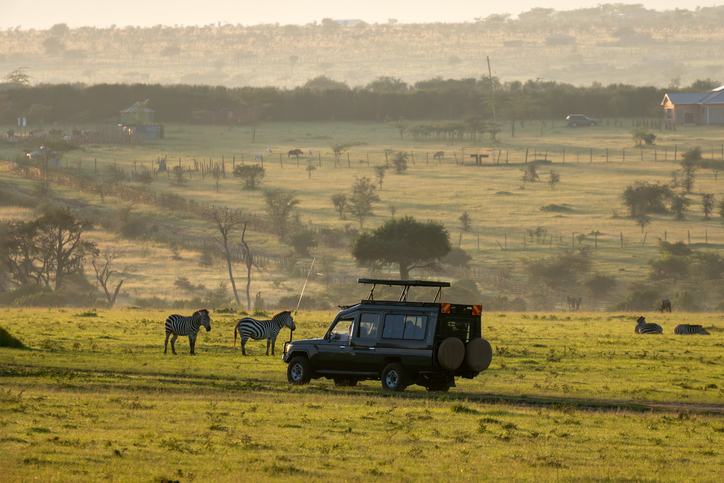
It’s the question I hear more than any other, and for good reason. Planning a safari to the legendary Serengeti National Park is a big deal, and you want to get it just right. So, let’s get straight to it.
The best time to visit the Serengeti is during the Dry season, from June to October. During these months, wildlife is easier to spot as animals gather around rivers and waterholes, and the Great Migration's dramatic river crossings are in full swing in the northern Serengeti.
But here’s the secret, the one that seasoned safari-goers know well, there is no truly “bad” time to visit. The best time for you depends entirely on what you want to see and experience. The park changes dramatically with the seasons, and each one offers something unique and unforgettable.
Understanding the Serengeti's Rhythms: Dry Season vs. Green Season
Instead of thinking about good months and bad months, it’s more helpful to think of the Serengeti’s two main seasons: the Dry Season and the Green Season. Each has its own distinct magic.
The Dry Season is your classic, golden-savannah safari. The Green Season, often called the wet season, is a time of rebirth, vibrant colour, and new life. Let’s break down what you can expect from each.
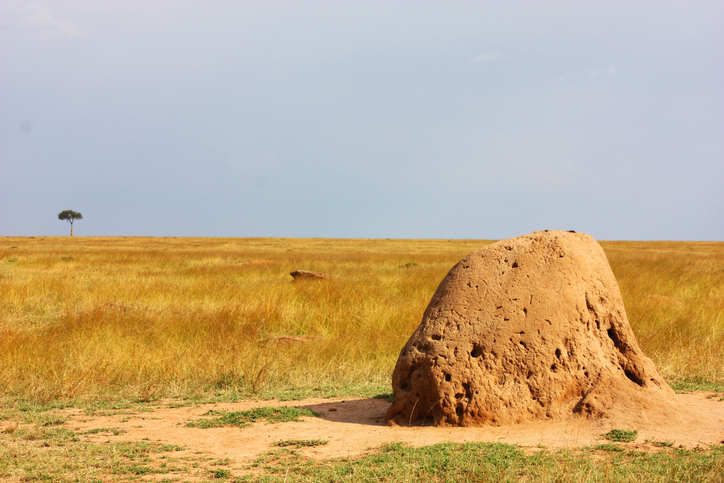
The Dry Season (June to October) - The Classic Safari Spectacle
When you picture a safari, you’re probably picturing the Dry Season. This is the peak safari season in Tanzania, characterized by cloudless blue skies, golden grasses, and incredible concentrations of wildlife.
Why You'll Love the Dry Season
The main advantage is the game viewing. The bush thins out, making animals much easier to see from a distance. More importantly, water becomes scarce, so rivers and waterholes become magnets for wildlife. You can often find incredible scenes just by waiting patiently near a water source.
For many, the ultimate prize is witnessing the Great Wildebeest Migration’s most famous chapter, the river crossings. From late July through September, vast herds of wildebeest and zebra face off against crocodiles as they cross the Mara River in the northern Serengeti. It’s the circle of life, raw and unforgettable.
Where to Be and When
The Migration is constantly on the move, so your location is key.
June - July: The herds are typically moving north through the Serengeti's Western Corridor. This is a great time to look for crossings of the Grumeti River, which has its own resident population of enormous crocodiles.
August - September: This is the headline act. The herds are in the far northern Serengeti in the Kogatende and Lamai areas, crossing the Mara River back and forth. You'll need to book a lodge or camp in the Northern Serengeti to be in the heart of the action.
October: The herds begin their journey south again, moving through the northern and central areas. General game viewing remains phenomenal across the park, especially in the central Seronera Valley, which is packed with resident predators.
The Practical Side of the Dry Season
This is the most popular time to visit, which means two things, more people and higher prices. It’s essential to book your safari lodges and flights well in advance, sometimes a year or more, especially if you want to stay in a prime location for the river crossings.
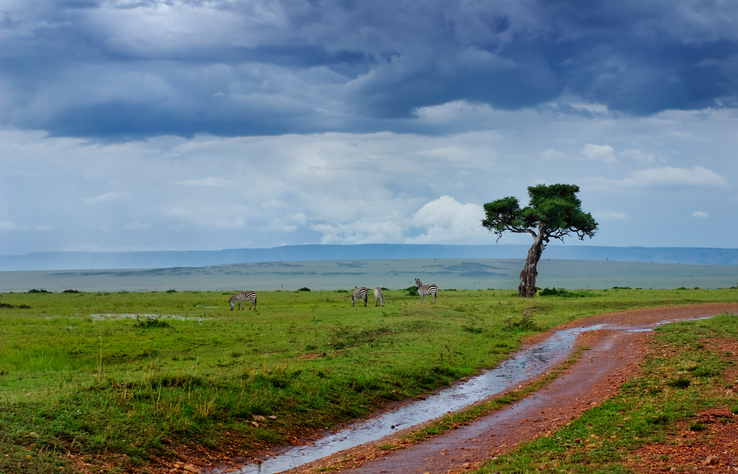
The Green Season (November to May) - A Time of Abundance and New Life
Don't let the name “wet season” put you off. I often prefer to call it the Green Season. The landscape transforms into a stunning, emerald-green paradise, the air is clear of dust, and the afternoon thunderstorms create the most dramatic, beautiful skies for photography.
The Magic of the Serengeti's Green Season
The start of the rains in November signals the herds to return to the nutrient-rich short-grass plains of the southern Serengeti. This is where the season’s main event takes place: the calving.
From late January to March, an estimated 500,000 wildebeest are born over just a few weeks. The plains around the Ndutu region are filled with newborn calves, and where there are vulnerable babies, predators are never far behind. The sheer density of predator action-from cheetahs and lions to hyenas-is simply staggering. It's an incredible time for anyone who loves an action-packed safari.
Breaking Down the Green Season
This season has a few distinct phases:
November - December ('The Short Rains'): The first rains arrive, turning the dusty plains green. The migrating herds pour into the Southern Serengeti and Ndutu plains. It's a fantastic time to see the migration without the peak season crowds.
January - March ('The Calving Season'): This is my personal favourite. Head to the southern plains to witness the birth of a new generation. The sheer number of animals is mind-boggling, and the predator-prey interactions are intense. Talk about a thrilling safari!
April - May ('The Long Rains'): These are the wettest months. Some remote camps may close, and roads can get muddy. But for the adventurous traveller, the rewards are immense: the lowest prices of the year, virtually no crowds, and the greenest, most dramatic landscapes you can imagine.
The Practical Side of the Green Season
The biggest benefits are fewer visitors and lower costs for lodges and tours, offering incredible value. Less vehicles at sightings is a fact. Birdwatching is also at its absolute peak, with migratory species from Europe and northern Africa present. If you don't mind the chance of a rain shower, which usually passes quickly, it’s a truly special time to be in the Serengeti.
So, When Should You Go? A Quick Summary
Feeling a bit overwhelmed? Let’s make it simple. Think about your top priority for this once-in-a-lifetime trip.
For Epic River Crossings: Go between late July and September and stay in the Northern Serengeti.
For Baby Animals & Predator Action: Go between January and March and stay in the Southern Serengeti/Ndutu area.
For Excellent All-Round Game Viewing on a Budget: Consider June or November/December.
For Fewer Crowds & Photography: The Green Season (November-May) is your best bet for lush landscapes and dramatic skies.
Once you’ve settled on your ideal season, the next step is finding a safari lodge that puts you in the right place at the right time. Your camp’s location is everything when it comes to the Serengeti.
Ready to find your perfect base camp? Explore our curated collection of Serengeti safari lodges and start planning the adventure of a lifetime.
Feature | Dry Season (May-October) | Green Season (November-April) |
|---|---|---|
Weather | Cooler, dry, sunny days | Warm, humid, occasional rainfall |
Vegetation | Sparse, dry, low grass | Lush, green, tall grass |
Wildlife Viewing | Excellent, animals at waterholes | Challenging, abundant food/water |
Birdwatching | Good, resident species | Superb, migratory birds arrive |
Photography | Clear skies, dusty light | Vibrant colors, dramatic skies |
Mosquitoes | Fewer | More common |
Crowds | Higher, peak season | Lower, fewer tourists |
Pricing | Higher, premium rates | Lower, shoulder season rates |
Best for | Classic big game safari | Birding, photography, unique sightings |
A Quick Word on Serengeti Temperatures
One thing that often surprises people is that the Serengeti's temperatures don't fluctuate wildly between seasons-the biggest change is often between day and night. Thanks to its position near the equator and its elevation, the climate is generally temperate and pleasant. Still, knowing what to expect can make a big difference to your comfort and your packing list.
Dry Season Temperatures (June - October)
The Dry Season serves up classic safari weather: warm, sunny days and cool, clear nights with virtually no rainfall to worry about. Daytime temperatures are lovely, typically ranging from 25-27°C (77-81°F). It’s perfect for being out on a game drive. However, as soon as the sun sets, the temperature drops. Early mornings and evenings can be quite chilly, with temperatures dipping down to 12-15°C (54-59°F). For that 6 am game drive, a warm fleece, a beanie, and even a scarf are your best friends. Layers are absolutely key during this season.
Green Season Temperatures (November - May)
The Green Season is generally warmer and a little more humid, characterized by **intermittent rainfall**. Daytime temperatures can rise to 27-29°C (81-84°F), feeling warmer due to the moisture in the air. The famous afternoon thunderstorms, a hallmark of this season, often provide a welcome, cooling break from the heat. Nights are also milder compared to the Dry Season, usually staying above 15°C (59°F). You'll still want a light jacket or sweater for the evenings, but you won't experience the same brisk cold as you would on a Dry Season morning.
Frequently Asked Questions About Visiting the Serengeti
How many days do you need in the Serengeti?
To truly appreciate the vastness of the Serengeti and have a good chance of seeing the Great Migration, I recommend a minimum of three to four full days (four to five nights). This gives you time to explore a specific region, like the Seronera Valley or the southern plains, without feeling rushed.
Is the Serengeti worth visiting in the rainy season?
Absolutely! The 'rainy' or Green Season (November to May) is a fantastic time to visit. You'll experience lush green scenery, dramatic skies for photography, fewer crowds, and lower prices. Plus, it's the calving season (Jan-Mar), which means incredible predator action.
Can you see the Big Five in the Serengeti?
Yes, you can see all of Africa’s Big Five-lion, leopard, elephant, buffalo, and rhinoceros in the Serengeti ecosystem. Lions, leopards, elephants, and buffalo are commonly seen. The black rhino is much more elusive but is making a comeback, with the best chances of a sighting around the Moru Kopjes area in the central Serengeti.
When is the cheapest time to go on a Serengeti safari?
The most affordable time to visit the Serengeti is during the heart of the long rains, specifically in April and May. During this 'low season', many lodges offer significantly reduced rates to attract visitors, and you'll enjoy the park with very few other people around.